What's New
Latest Updates
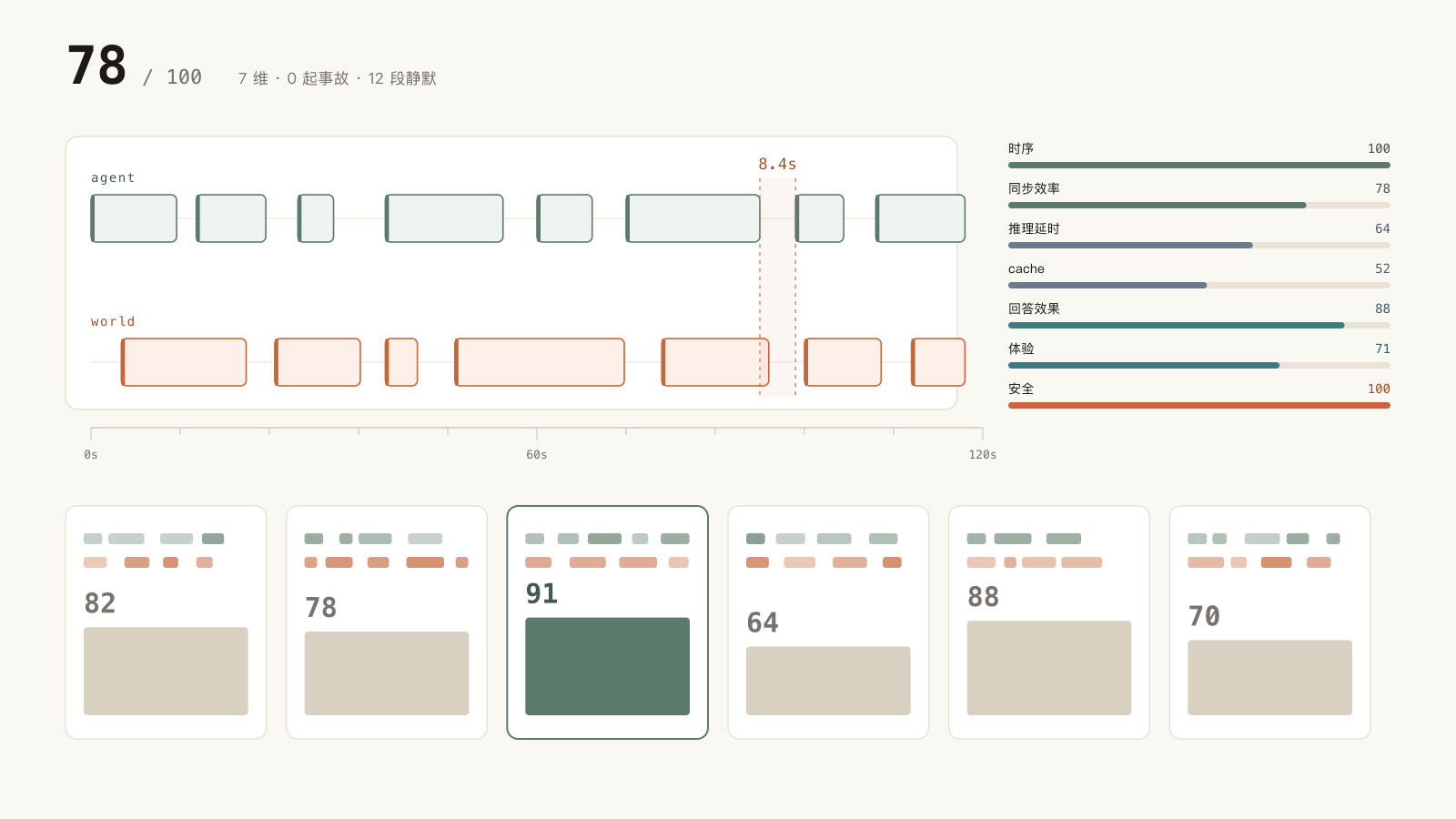
Give your robot a test run with a score at the end
Run a fixed test case as a full task and get a score at the end: did it go to the right places, how long did each round of thinking take, was the user left waiting, were there any unsafe moves. It used to run only in a virtual world; it now runs on real robots too, judged by the same rules. Afterwards you can lay out what the agent asked for and what the world actually did on one shared timeline.
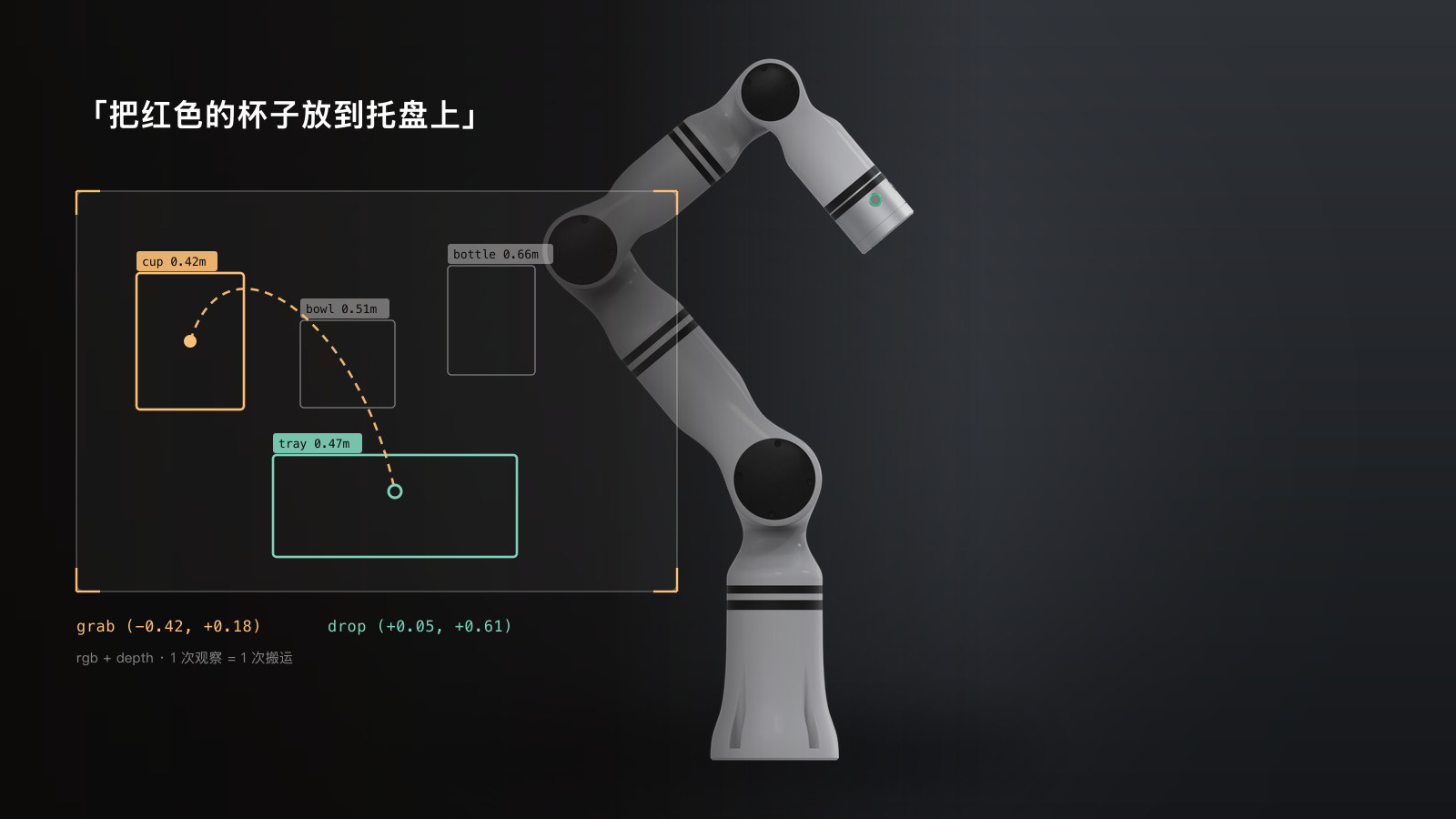
Tell the arm what to move, and it moves it
The RealMan RM75 can now pick and place by sight. Ask it to look at the table and it reports what it sees and where; say which object goes where, and it works out the depth, converts that into arm motion, picks the object up and puts it down. It can also take photos and record video.
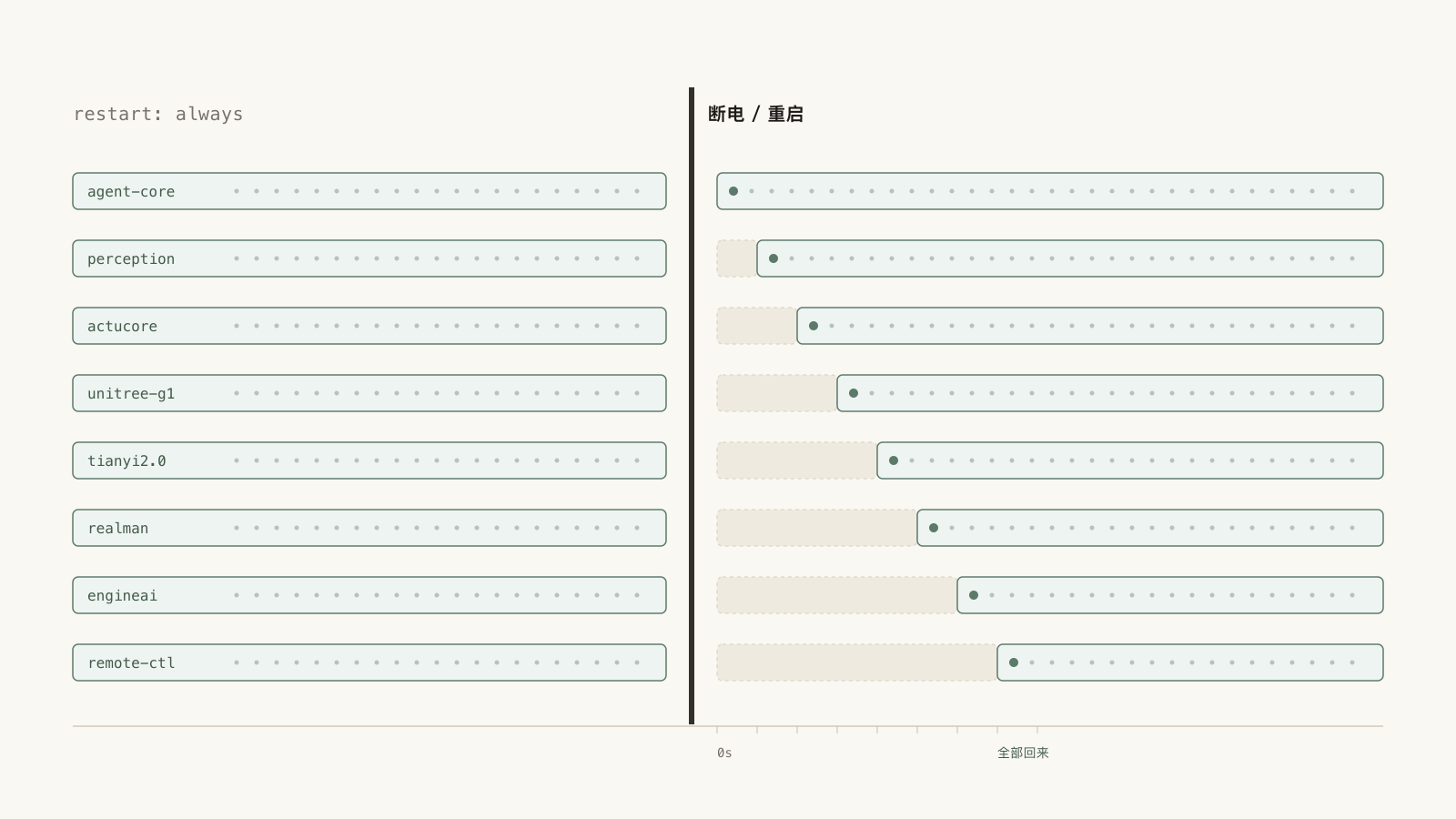
The robot comes back on its own after a reboot
After a power cut or a reboot, the services and drivers on the robot now start themselves. Previously someone had to log in remotely and start them by hand, and until they did the robot was simply gone — and from the outside, "did not come back" looks exactly like "the install is broken".
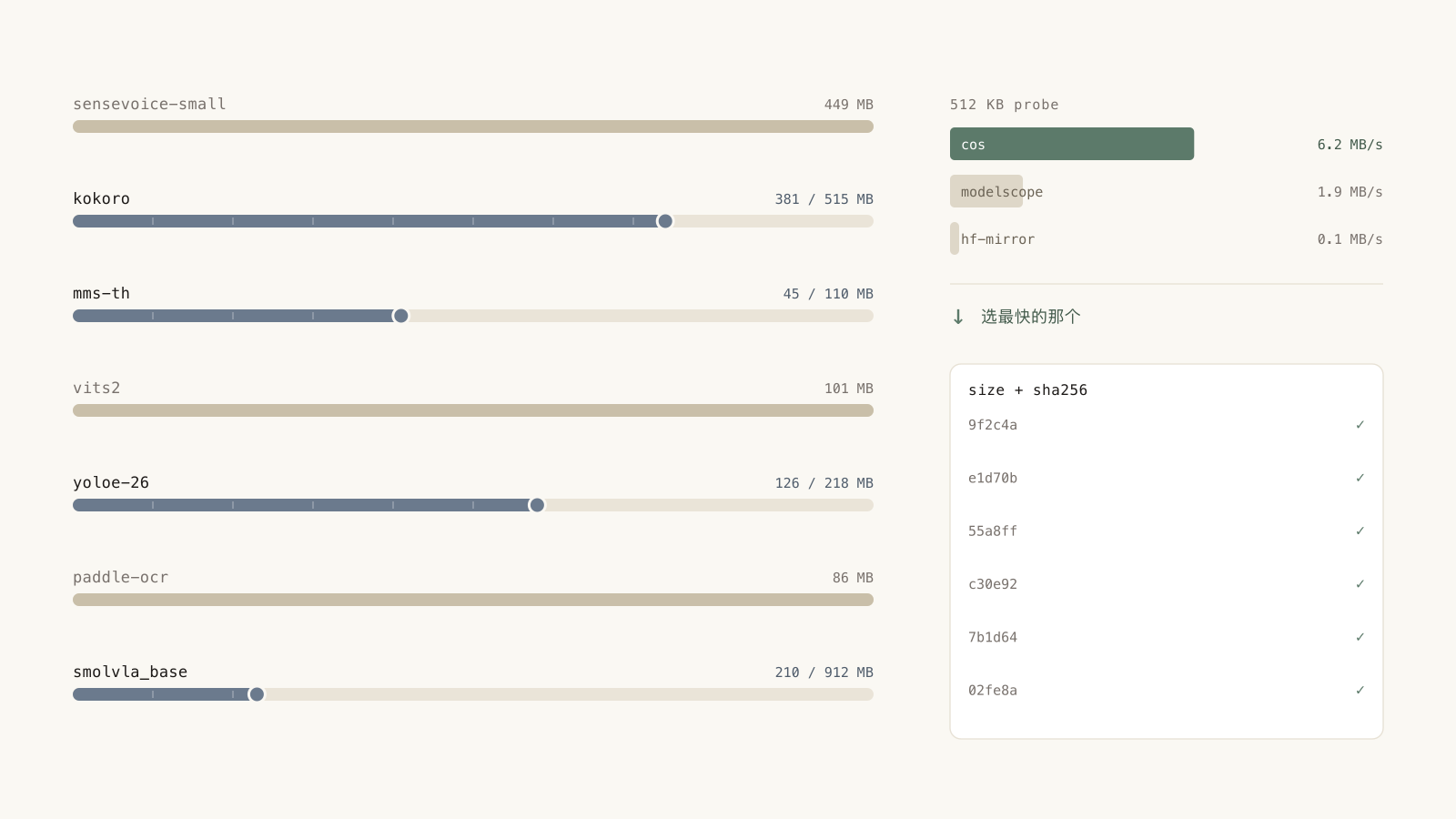
Model downloads no longer look like a freeze
Only speech recognition used to show download progress; the other models sat behind a motionless "loading" line for the entire time they were fetching weights — and a few hundred megabytes of that looks exactly like a freeze. Every card now shows progress and bytes downloaded, and the downloader probes the available sources first and takes the fastest one.
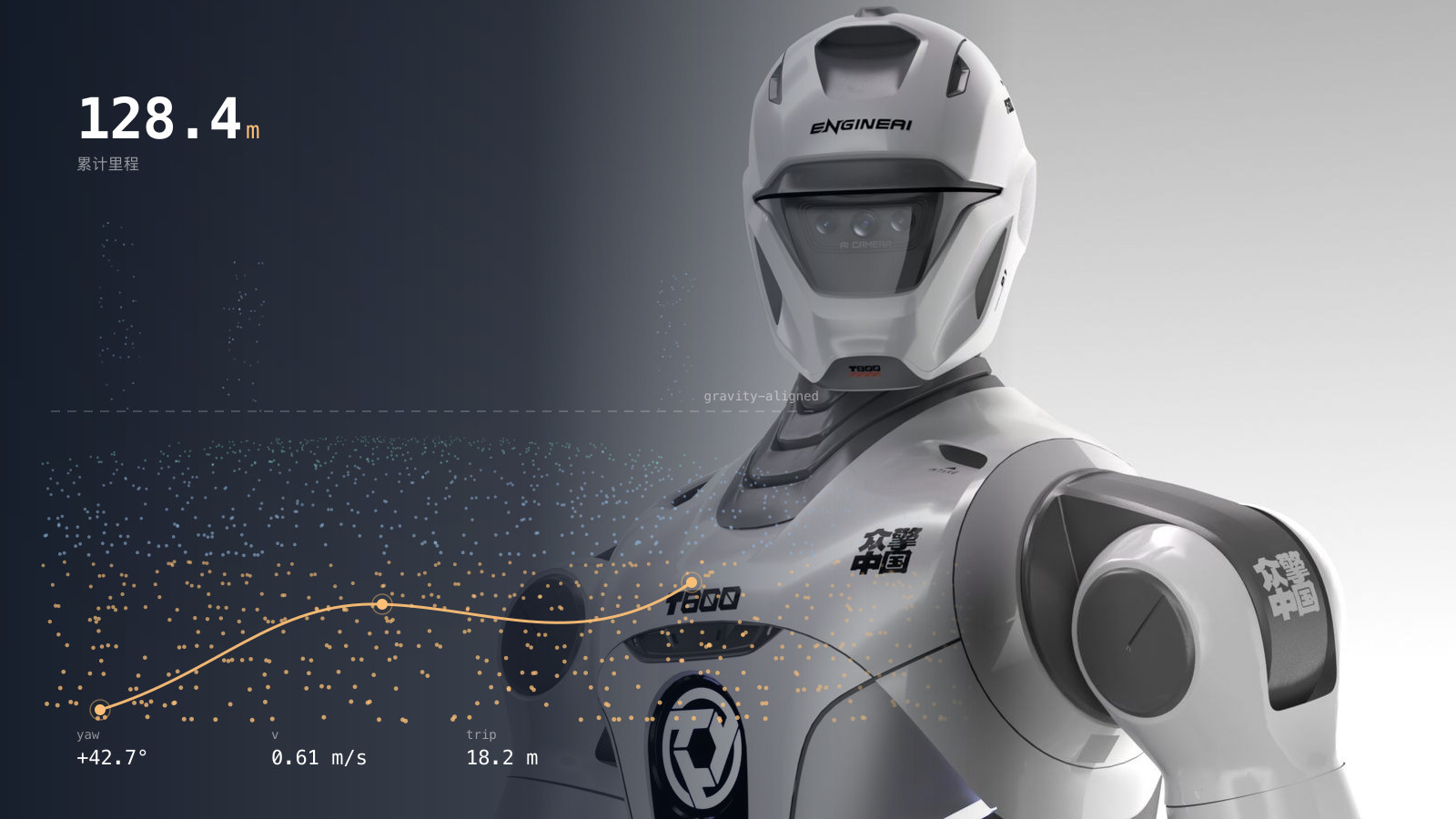
EngineAI T800 sees in 3D and knows how far it has walked
The T800's point cloud card is now complete and usable, showing the three-dimensional space in front of it live on the dashboard. It defaults to a gravity-aligned frame, so the view is no longer tilted by the sensor's mounting angle. A new odometry card reports position, heading, speed, total distance travelled, and whether the robot is moving or still.
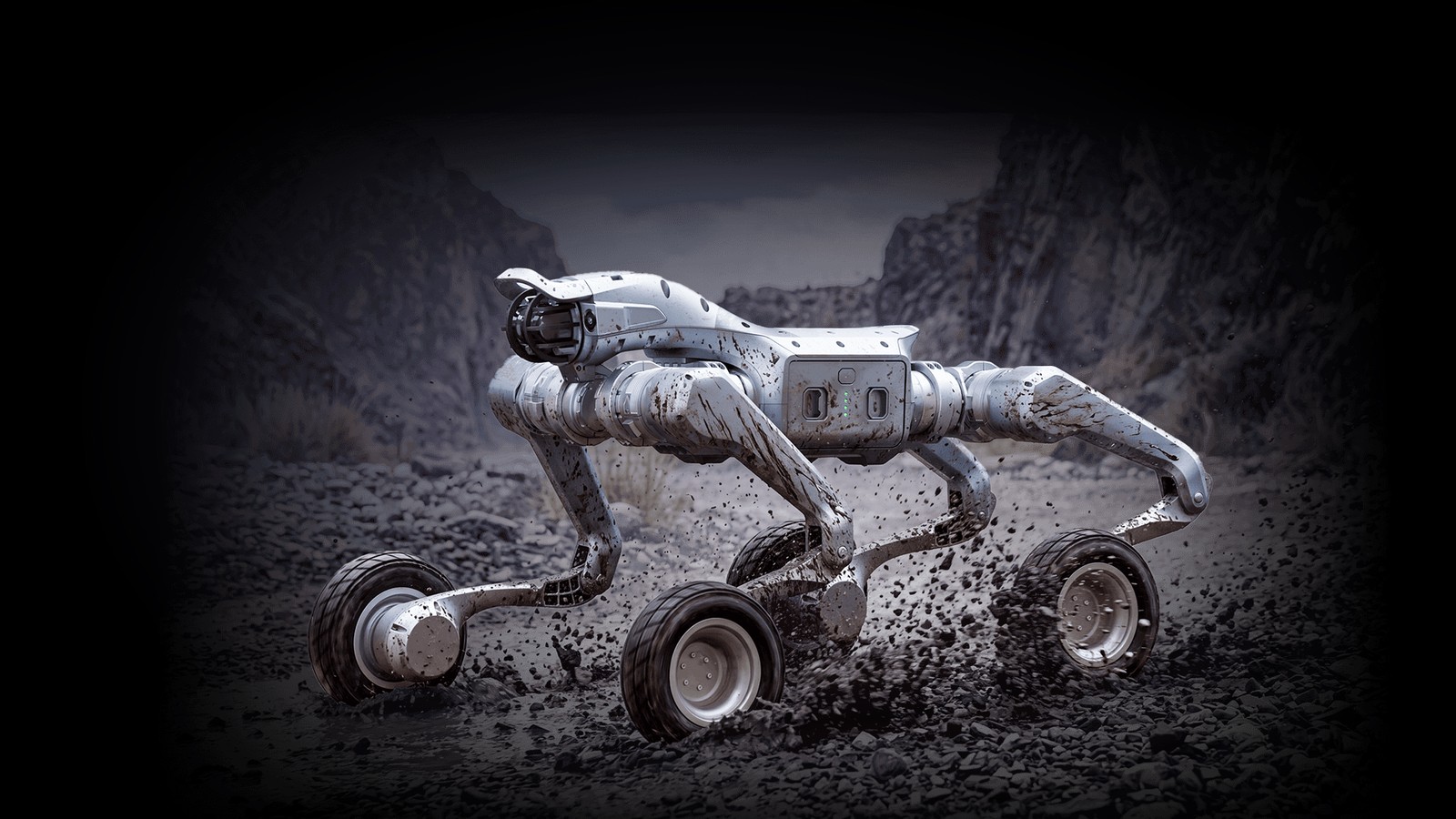
Unitree As2-W wheel-legged robot now supported
The As2-W joins the platform with 10 MCP cards: locomotion across 16 actions with velocity clamped in the driver, acrobatics behind an explicit confirmation, SLAM mapping and point-goal navigation, a 16-joint skeleton, per-motor telemetry and the JT128 lidar point cloud. If it cannot bind the robot network interface it starts degraded rather than falling back to Wi-Fi.
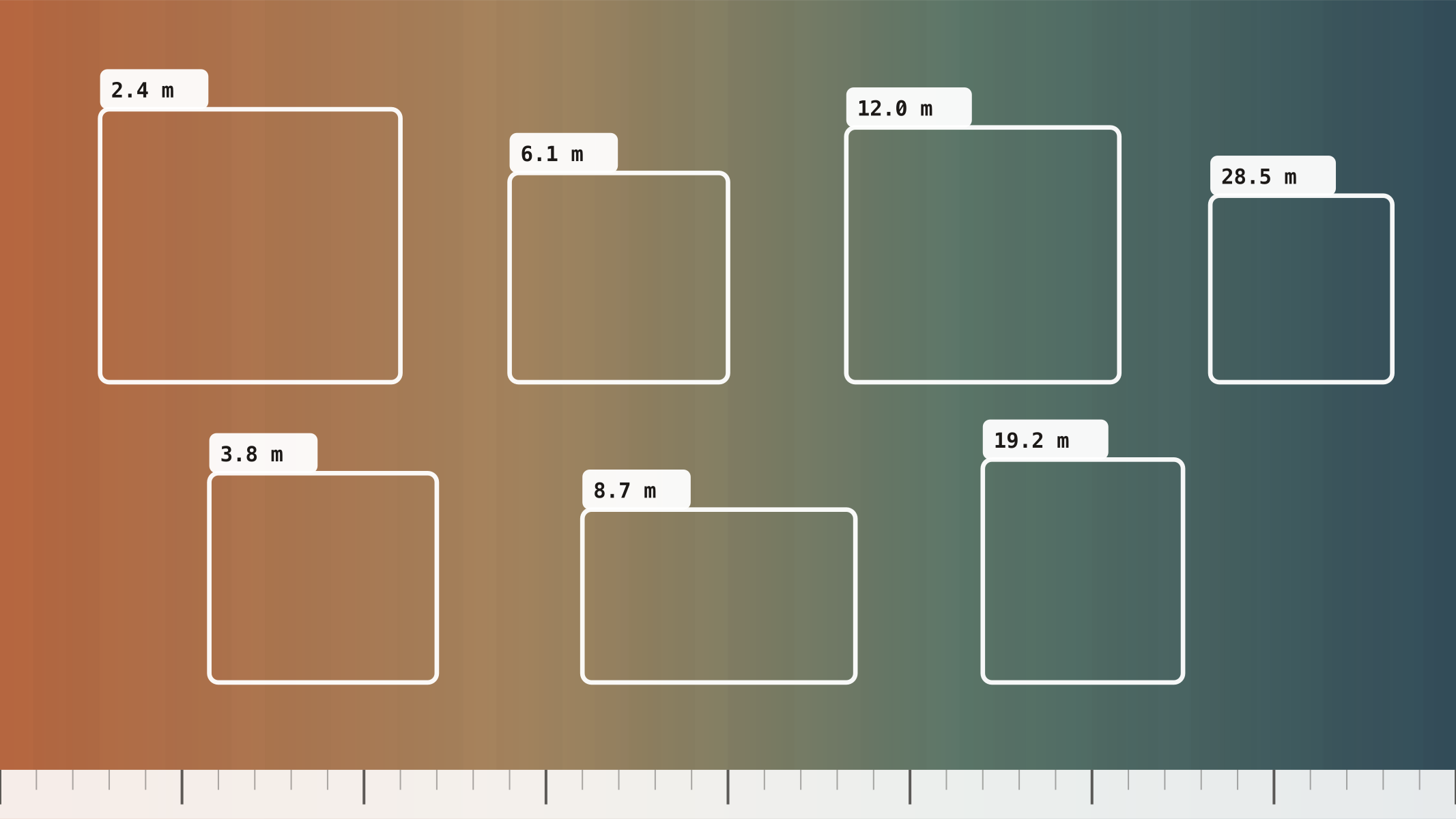
Sees faster and sharper — and can say how far away things are
Object recognition runs TensorRT directly on YOLOE-26s: 31.9 → 19.8 ms per frame on an Orin 5, accuracy from LVIS 24.4 to 30.8. A new visual_depth card estimates depth from an ordinary camera — in metres, not a relative scale — and a tape measure against a flat wall calibrates it to your own camera. Vision cards also answer about a single photo or URL with no camera attached.
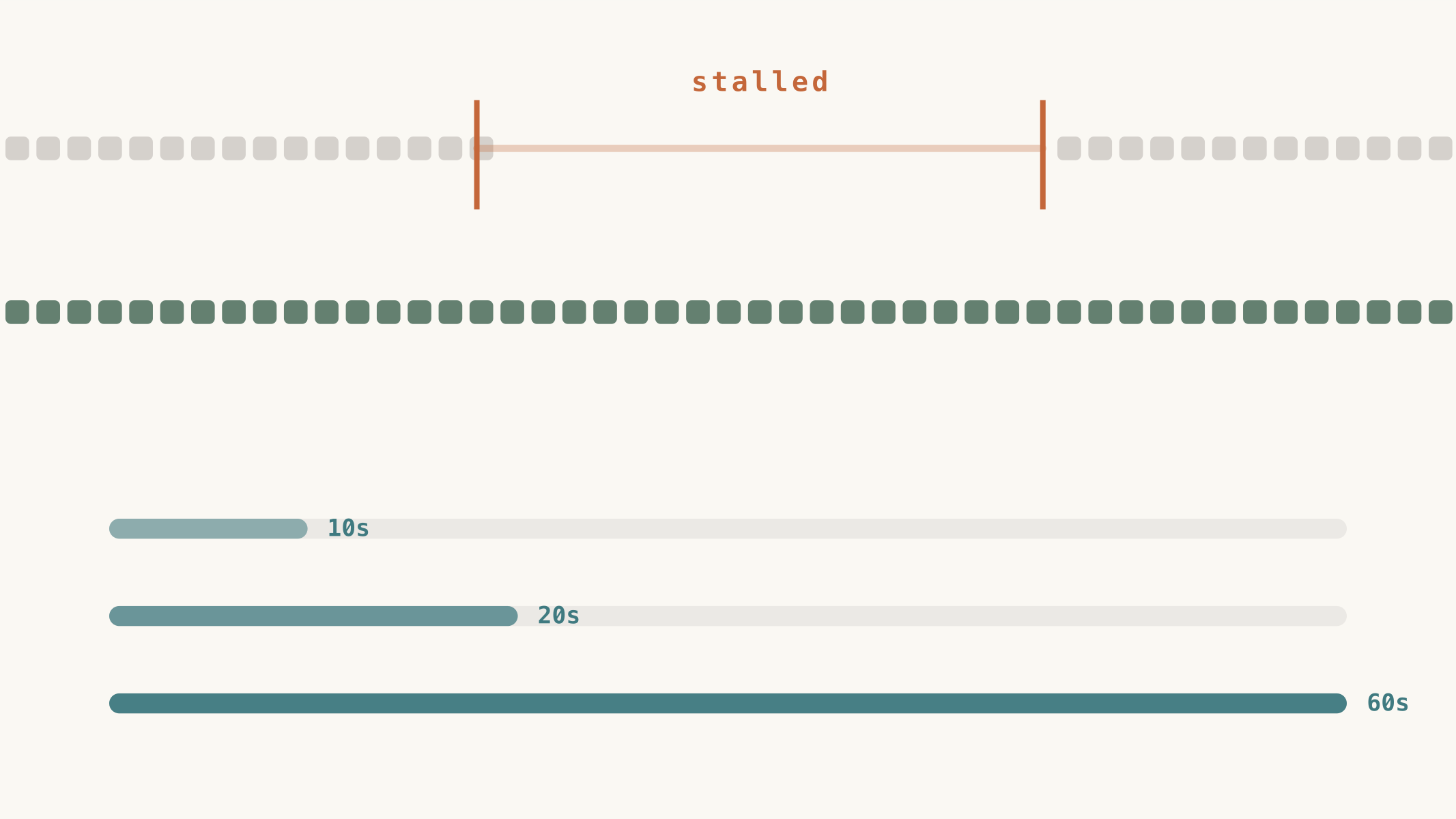
Faster to respond, faster to recover
LLM calls are streamed, so a stuck connection and a long answer are finally distinguishable. Liveness is judged on time-to-first-token (10/20/60 s, rising per retry) and the gap between tokens, cutting the worst case from six minutes to 90 seconds — while the total budget actually loosens to 600 s so long answers are no longer killed by mistake.

Web search can find pictures and video
Results are now parsed by their own type. Image search actually returns image URLs (they used to be dropped entirely), video results carry duration, resolution and cover, and WebFetch can save to disk — which completes the search → download → send chain that used to break on the last metre.
No more long silences during a task
Progress narration moves from "the model volunteers a sentence" to a framework guarantee: past a threshold of silent rounds or seconds, it generates a short spoken progress line. It skips when there is genuinely nothing new, and immersive skills can ask for quiet.
You can interrupt it while it is talking
High-priority input now wakes the agent out of a wait on an unrelated running action — a "stop talking" said mid-narration used to sit for up to 58 seconds. Narration itself also queues instead of cutting in. Subagent round budgets rise from a hardcoded 10 to a configurable 50, and running out now writes up what it found instead of discarding it.
RM75 can see and grip
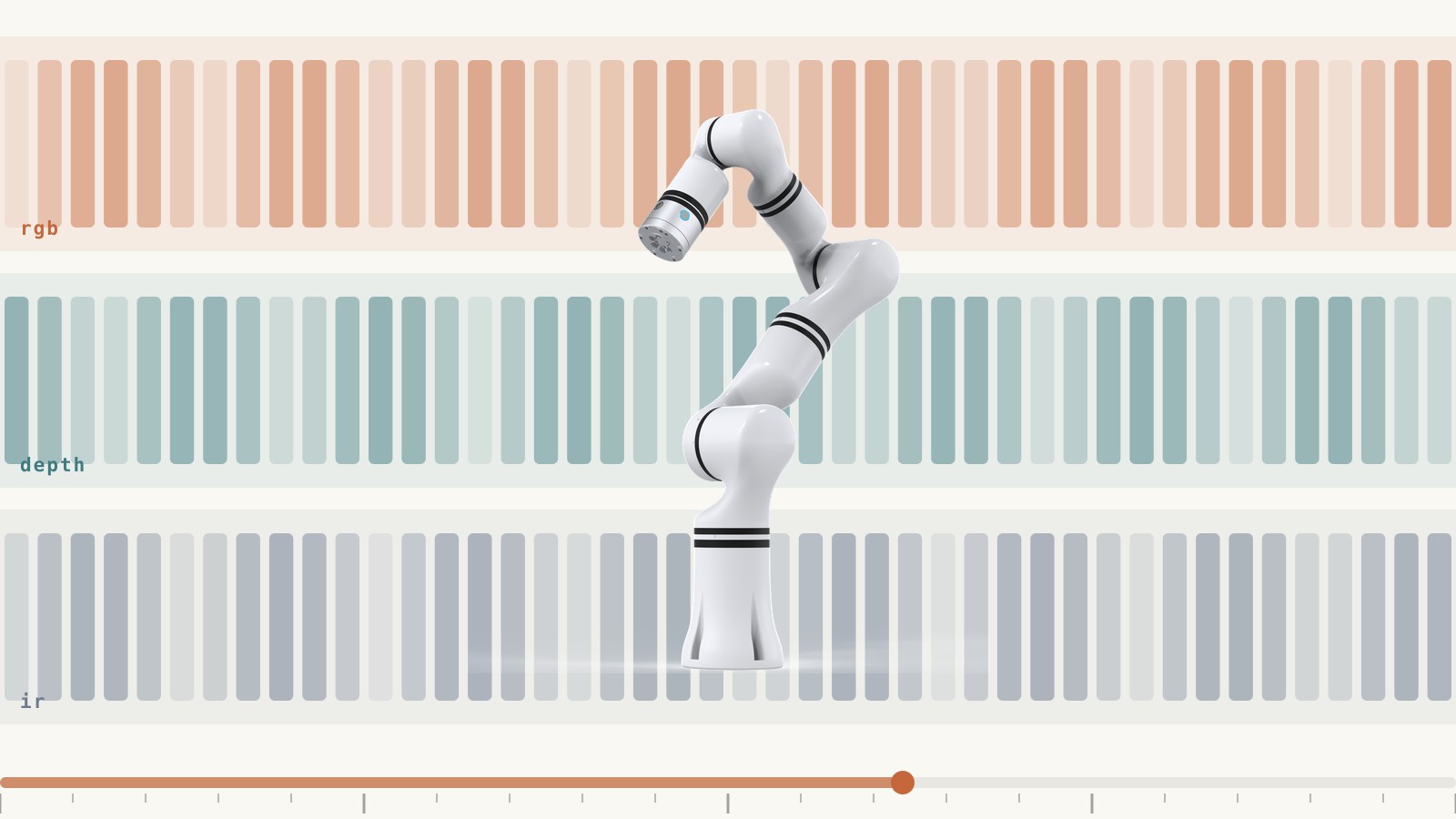
A RealSense D435 card publishes colour, depth and infrared from one capture pipeline shared across card instances, found by serial number rather than a renumberable device path. A two-finger gripper card takes 0–1000 over the arm’s existing SDK connection and refuses out-of-range values outright.