What's New
Latest Updates
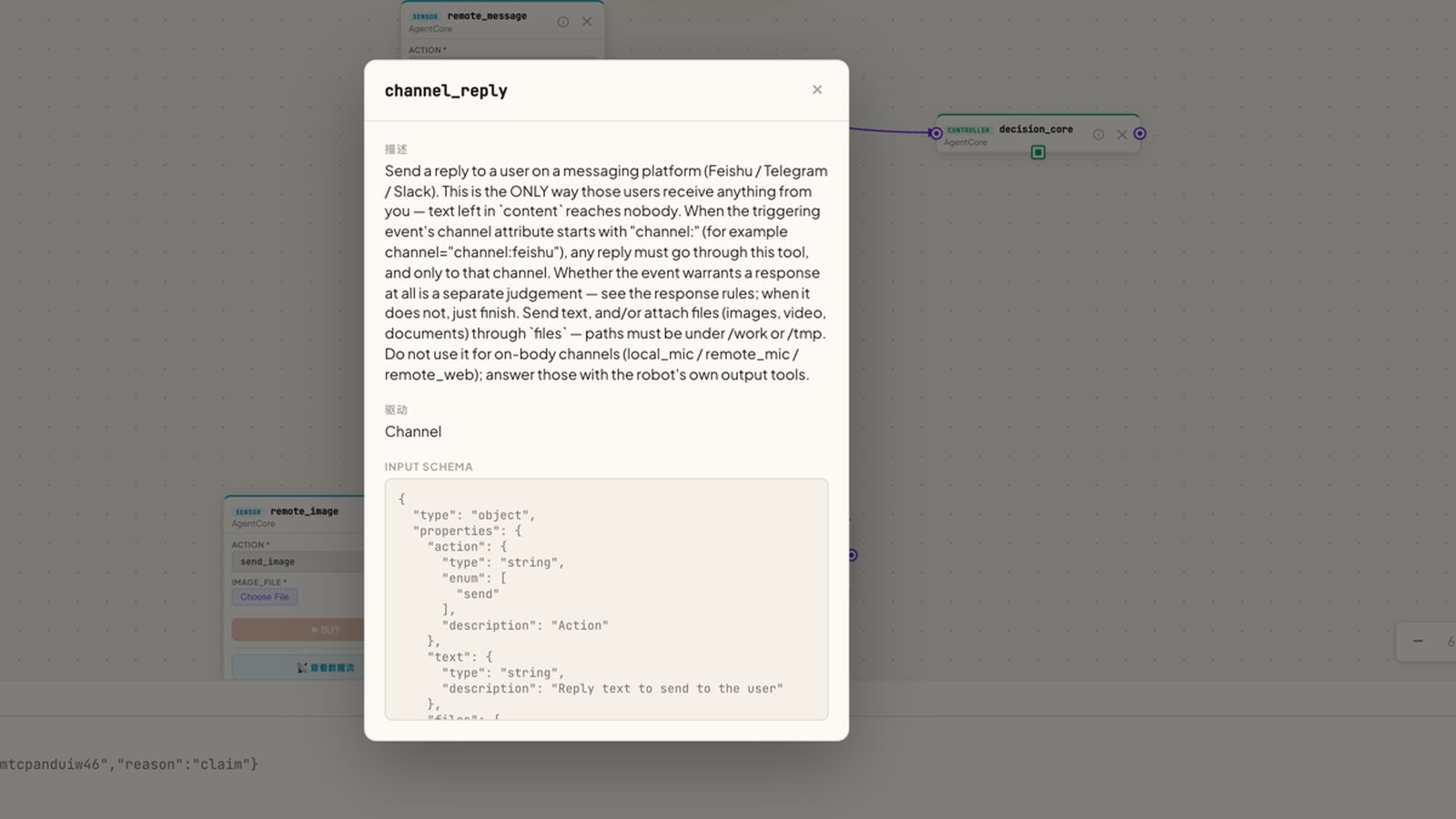
Talk to your robot in a group chat — and decide who is allowed to
Feishu channels now work in group chats as well as direct messages, replies land on the message that triggered them, images and files come through, other bots can be allowed in one at a time, and roles are managed from a panel in the dashboard.
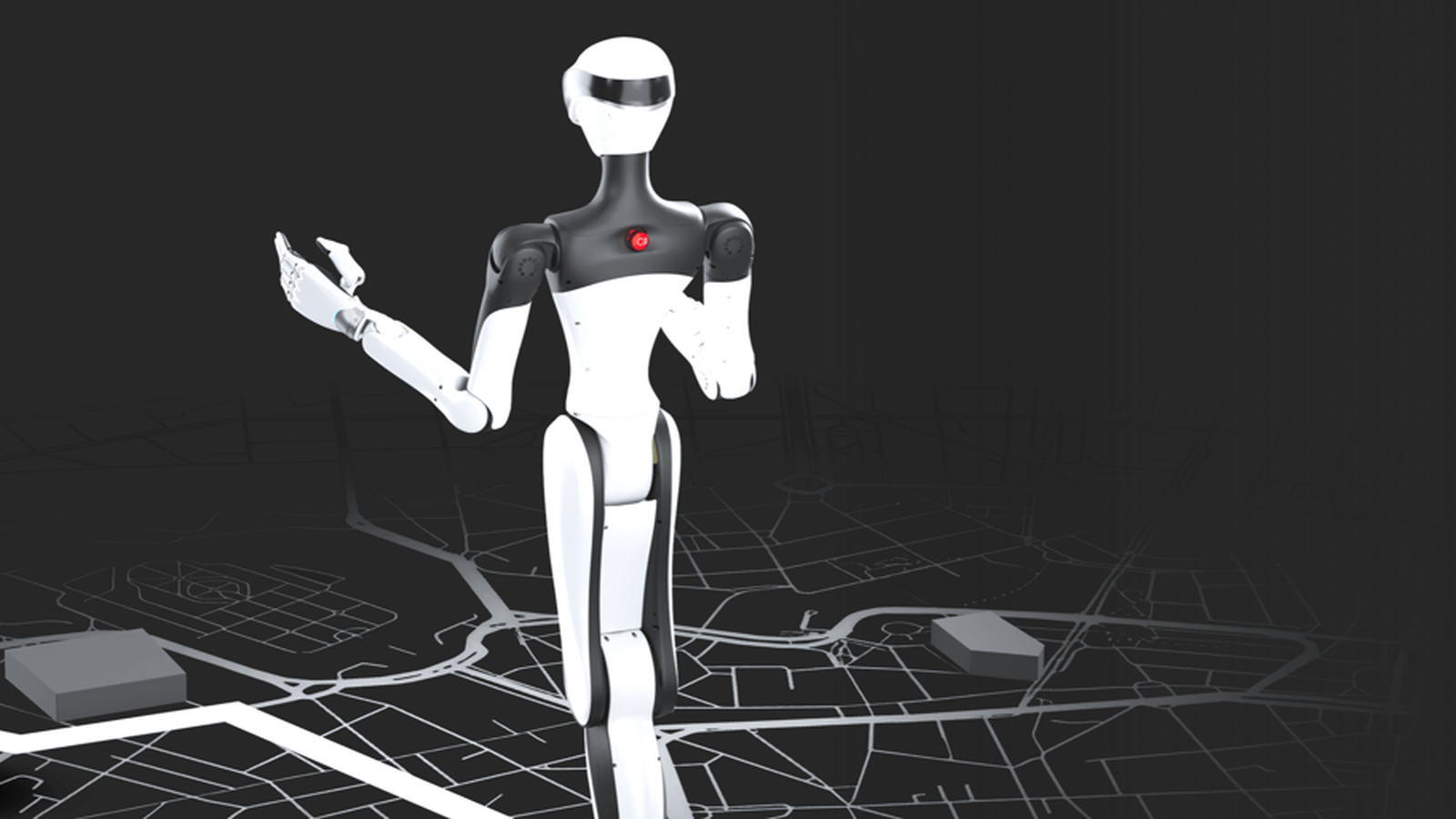
Q5 can turn at the waist, and its gestures stopped stuttering
The RobotEra Q5 driver adds waist rotation as a first-class control, and fixes the arm gestures: no more mirrored high-five, no more jerky motion, and a reset that brings both arms home together.
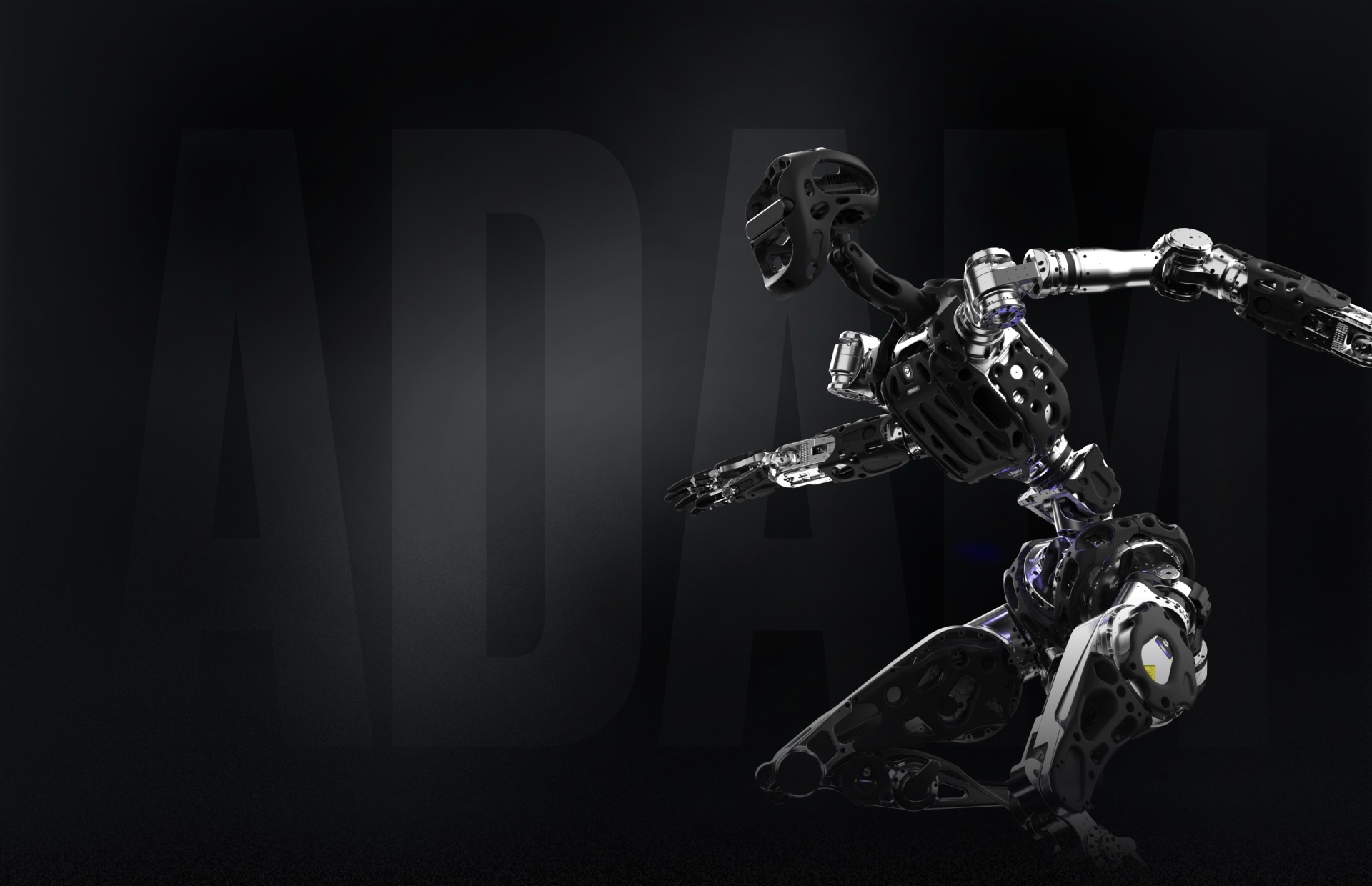
Adam gains stereo vision and finger-level hand control
The PNDbotics Adam humanoid now has a stereo depth camera and per-finger hand control — it can judge how far away something is and shape its hand to pick it up.
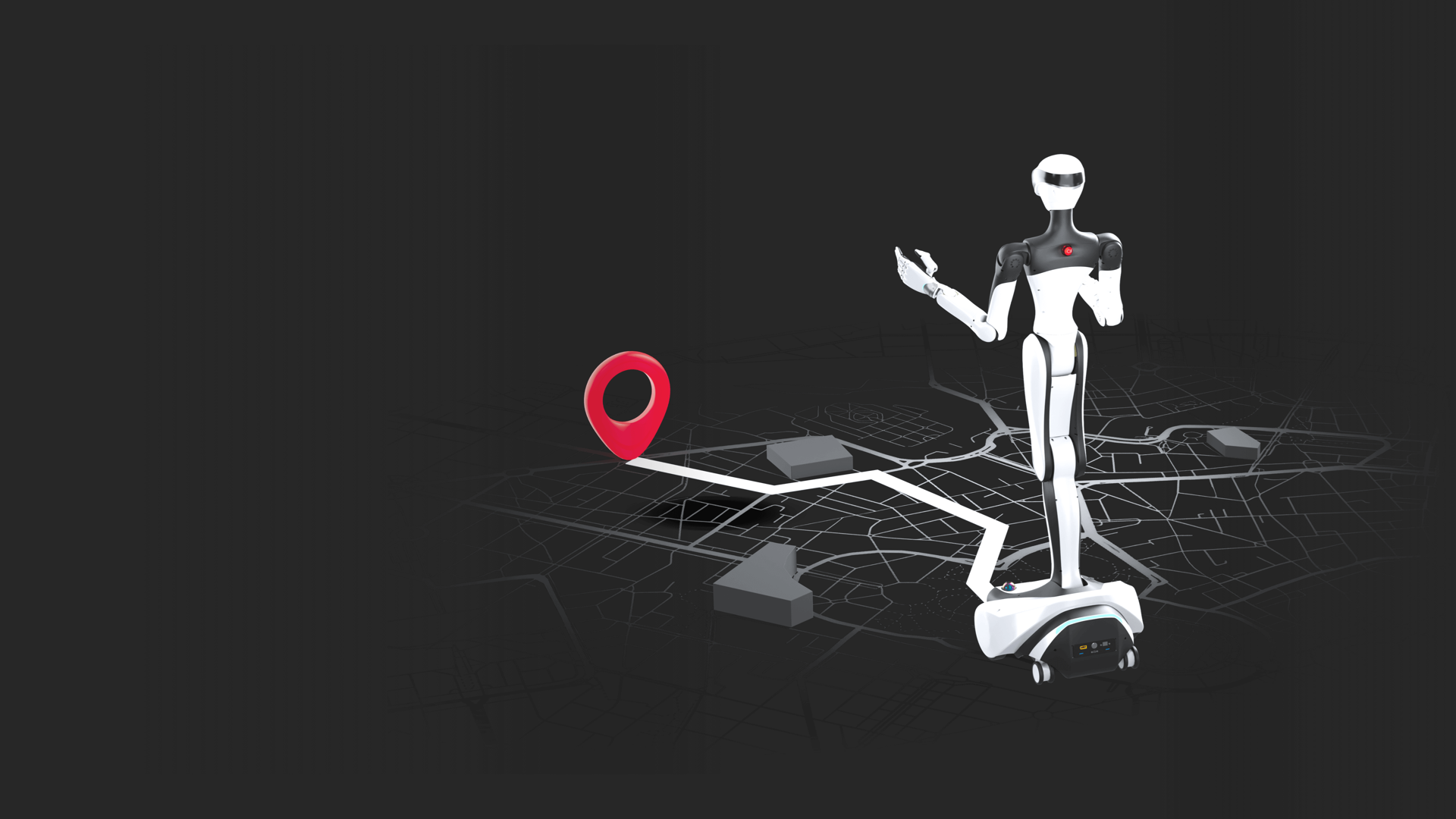
ROBOTERA Q5 wheeled humanoid — 44 DOF, dexterous hands, LiDAR navigation
The ROBOTERA Q5 wheeled humanoid is now supported: dual-arm manipulation with 11-DOF dexterous hands, a liftable torso, and LiDAR-based autonomous navigation.
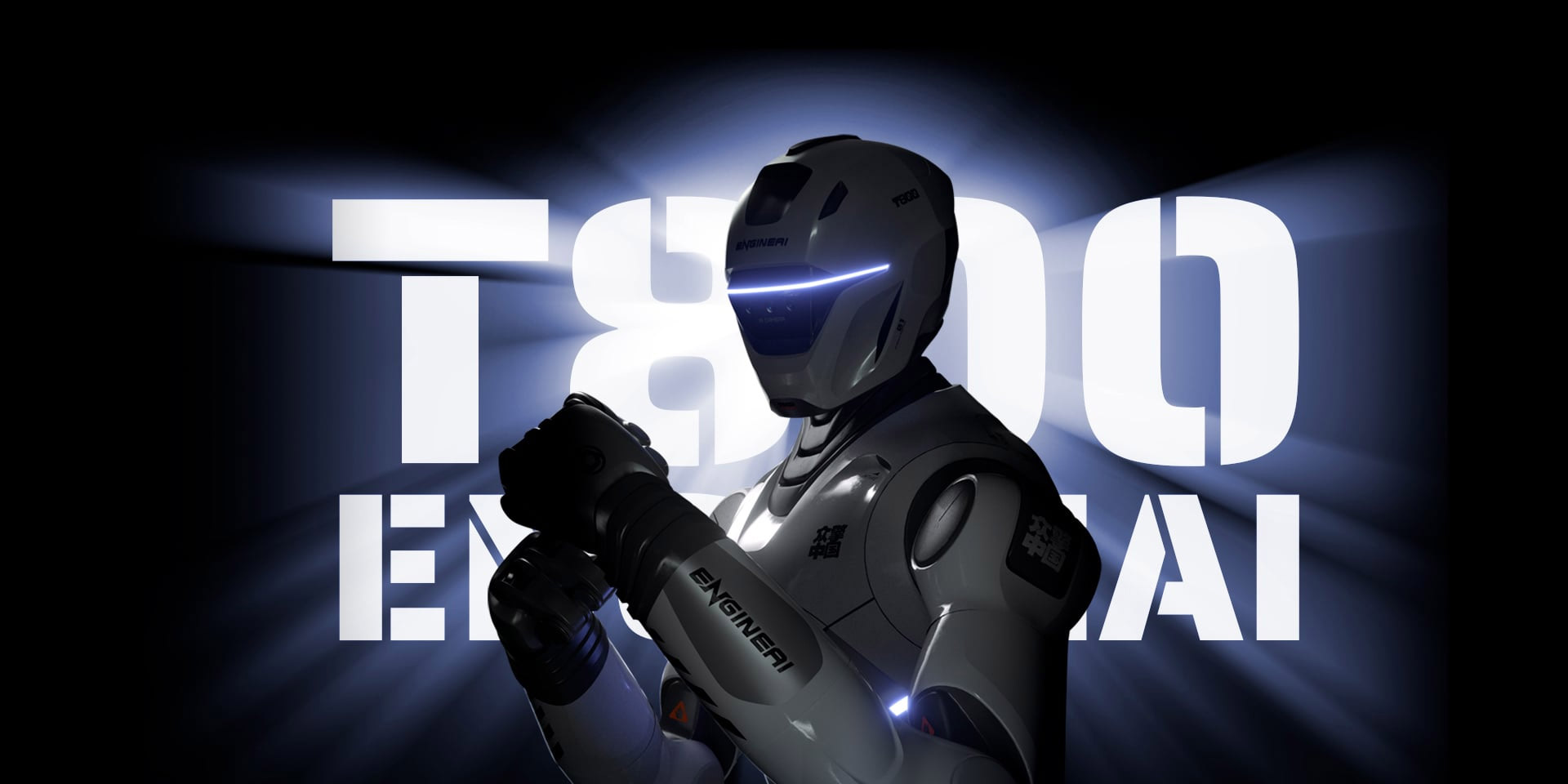
EngineAI T800 learns to turn its head and greet you
The T800 can now turn and tilt its head to face whoever is speaking, and greet people with a wave or a handshake — the small gestures that make an interaction feel human.
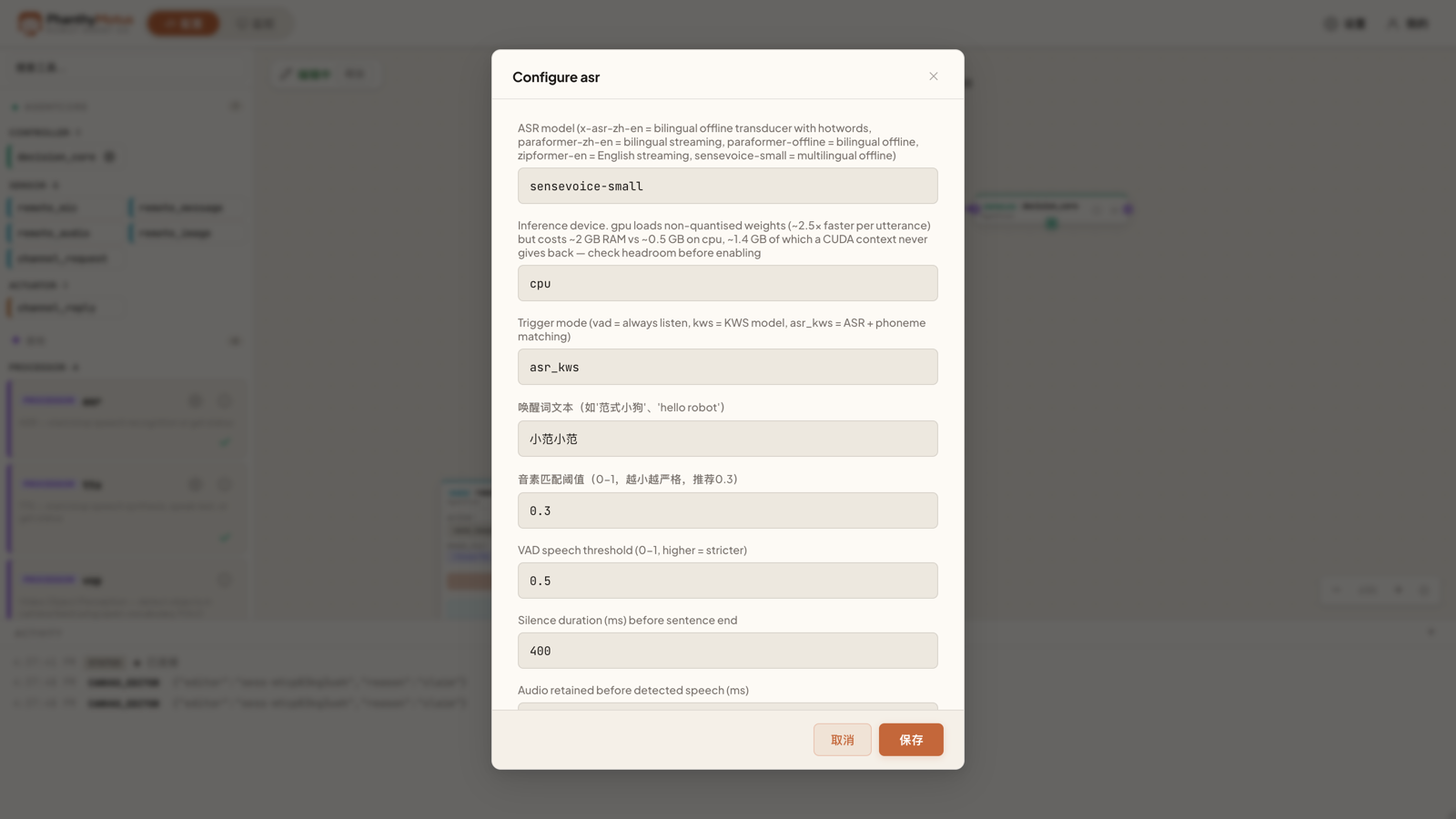
Speech on the GPU — an opt-in speed boost
Speech recognition can now run on the GPU for roughly 2.5× faster turnaround per utterance. It's opt-in, because the speed costs memory — the default stays on CPU.
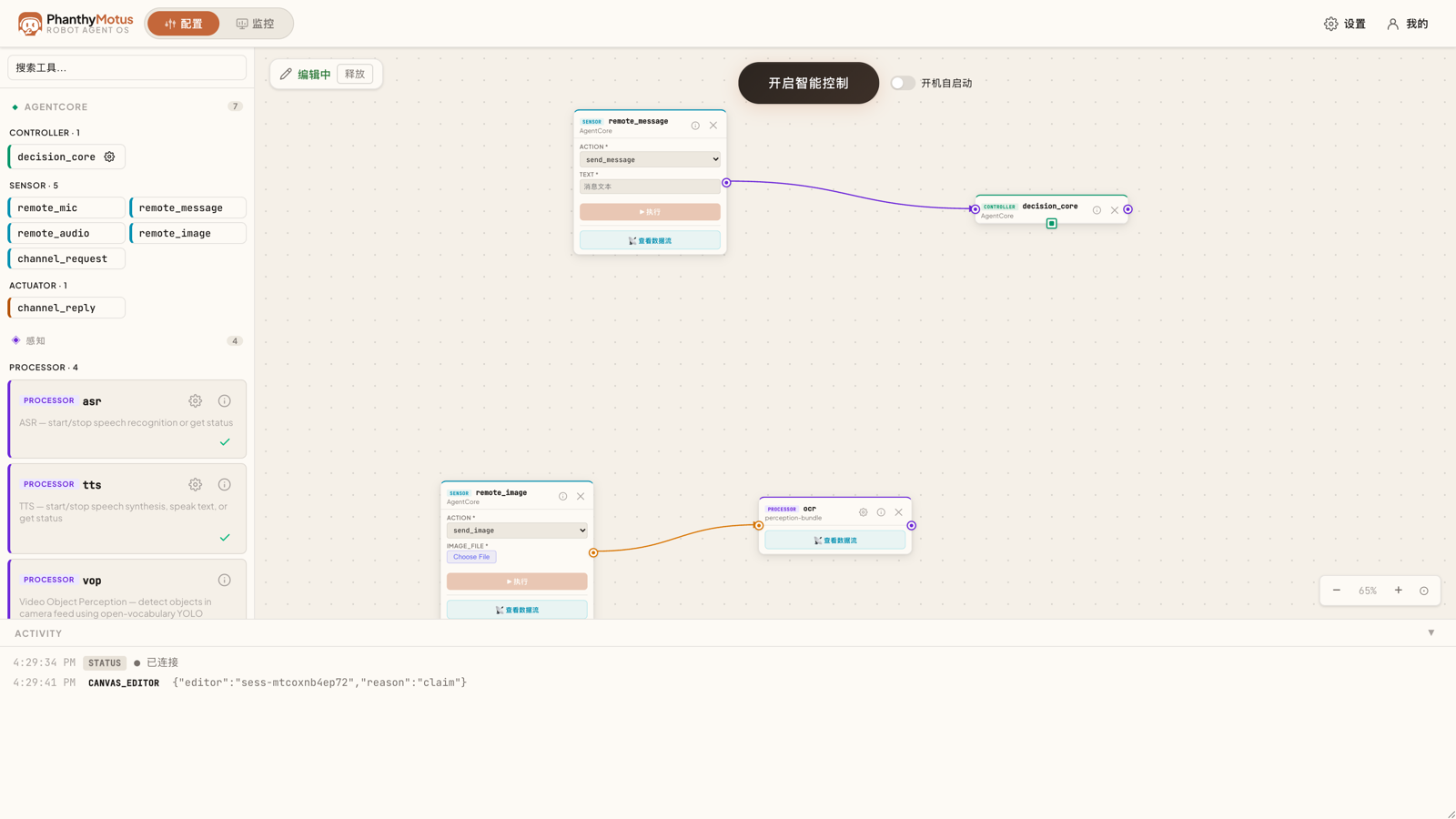
Two people editing the canvas no longer overwrite each other
The canvas now shows when someone else is editing, so two people working on the same robot stop silently undoing each other's changes.
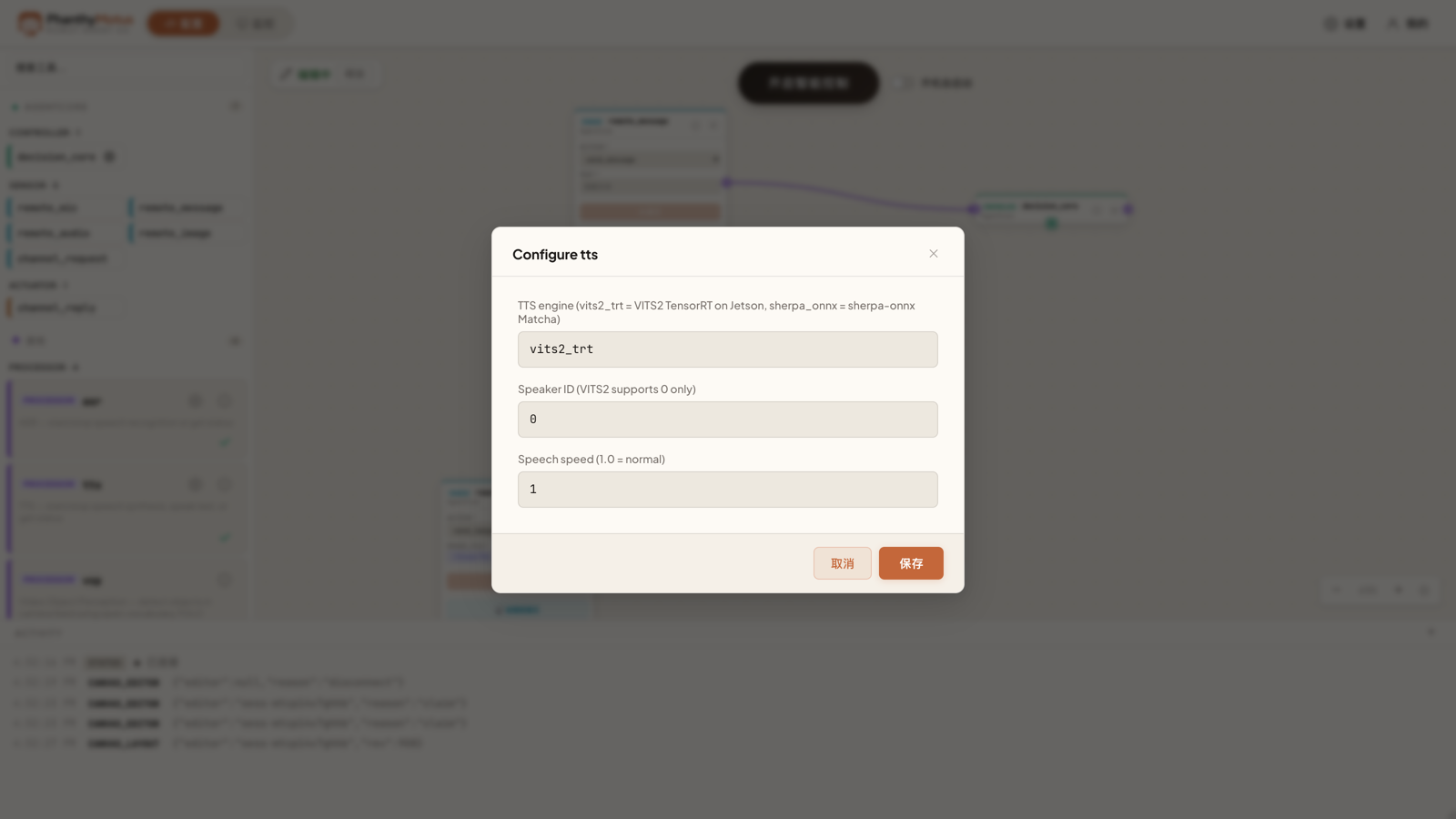
A new, more natural voice — switchable speech engines
The robot's voice sounds noticeably more human, and you can now choose which speech engine it uses to trade off naturalness against speed and memory.
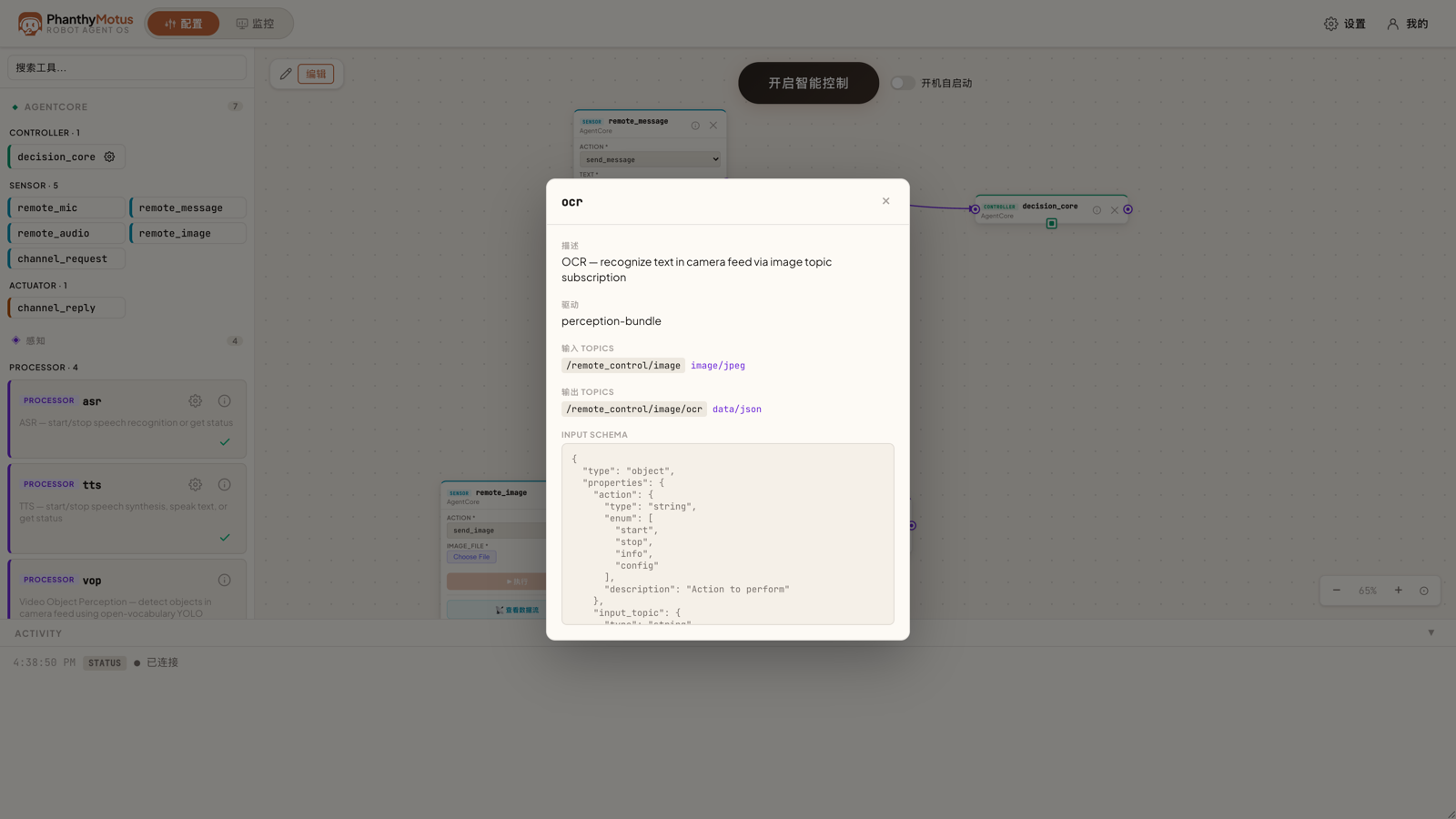
Your robot can read now — on-device text recognition
Point the camera at a sign, a label, or a door plate and the robot reads it. Recognition runs on the robot itself, so no image ever leaves the machine.
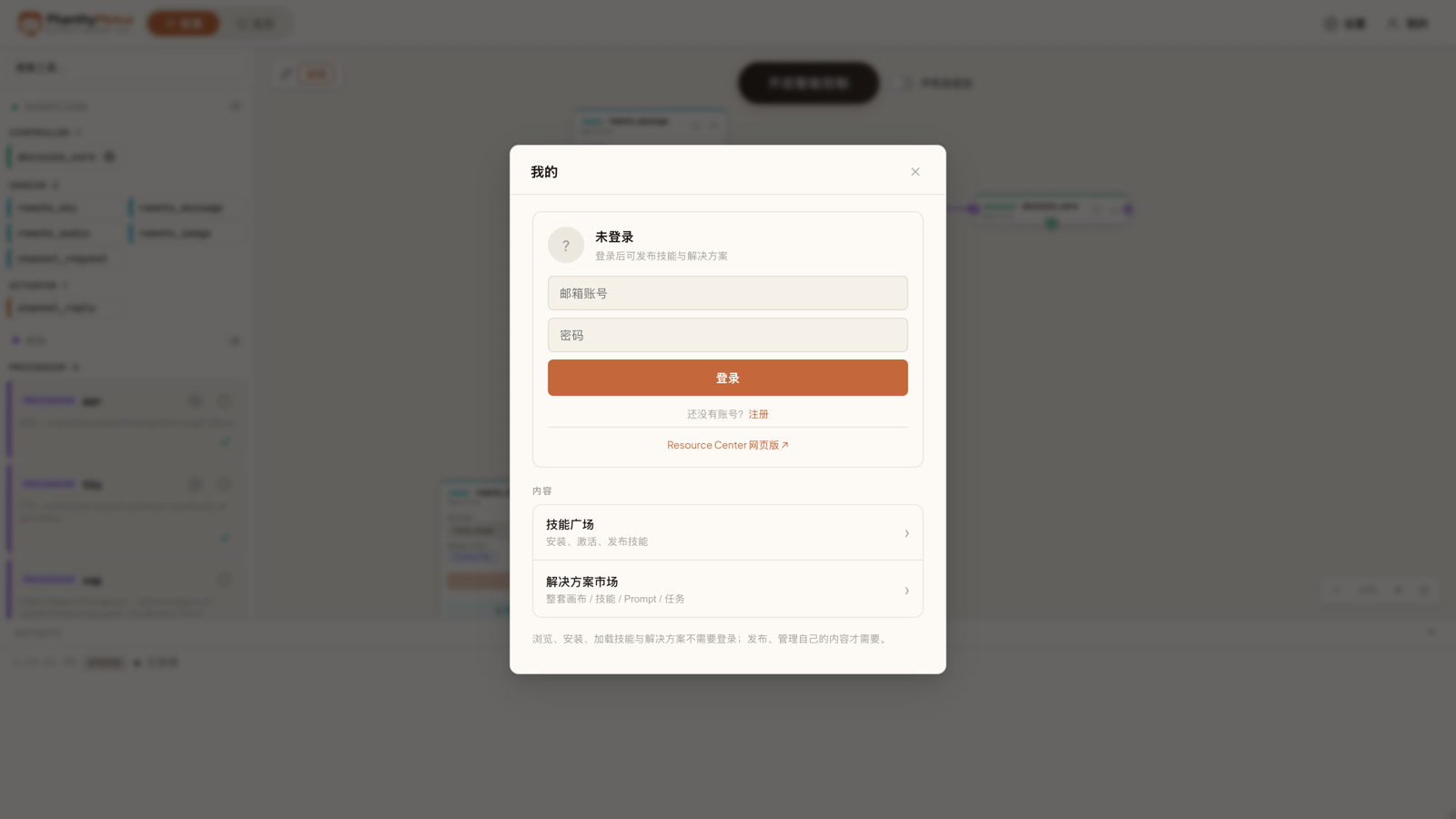
One place to sign in — skills and solutions now work on your phone
A single account entry ties the dashboard to your skills, solutions, and community identity — and it works on a phone, so you can install a skill without sitting at the robot.
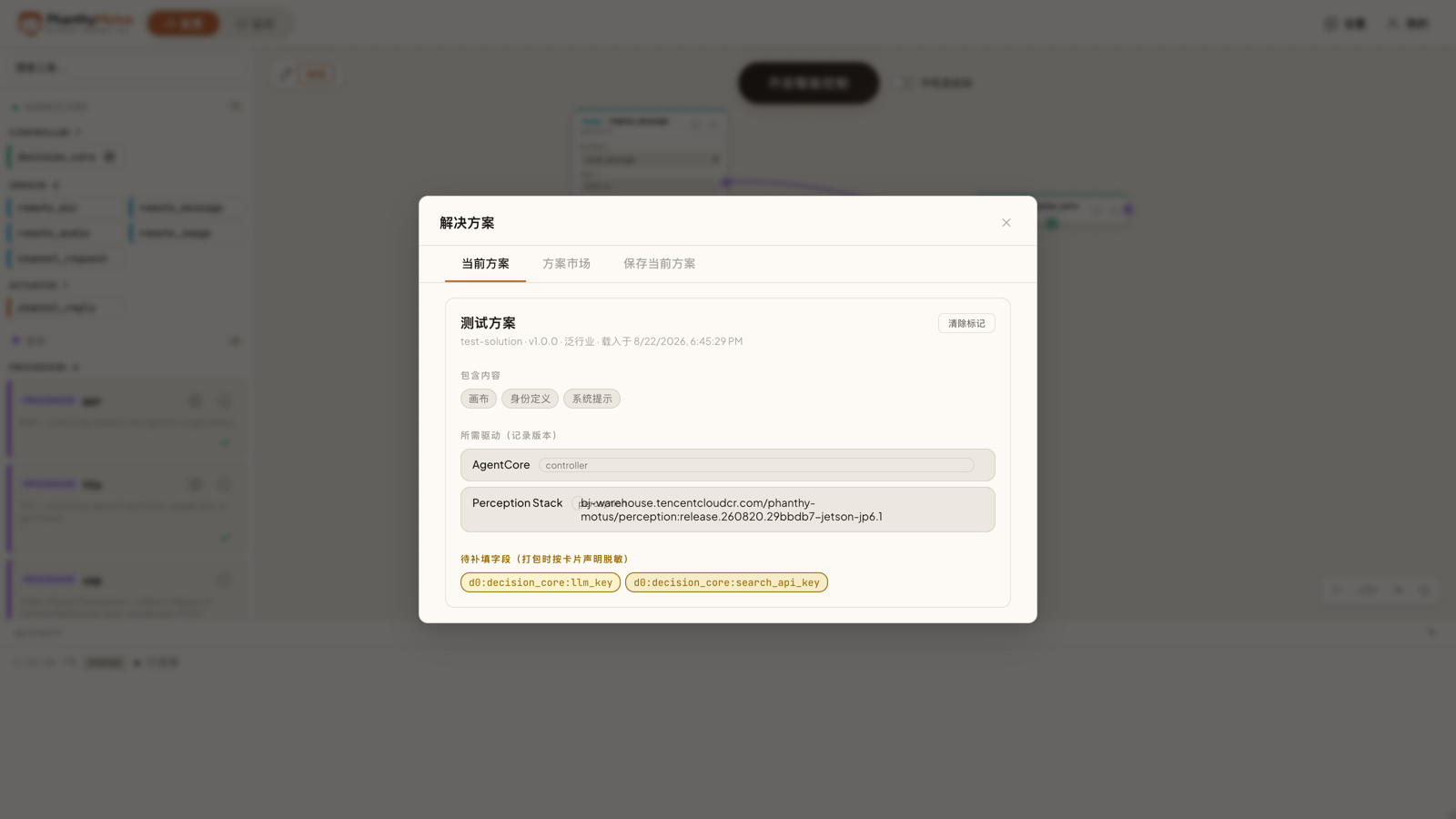
Package a whole robot setup, restore it on another in one click
Tuning a robot takes hours. Now you can save the whole working setup as a solution, load it onto another robot in one click, or pick a ready-made one from the marketplace.
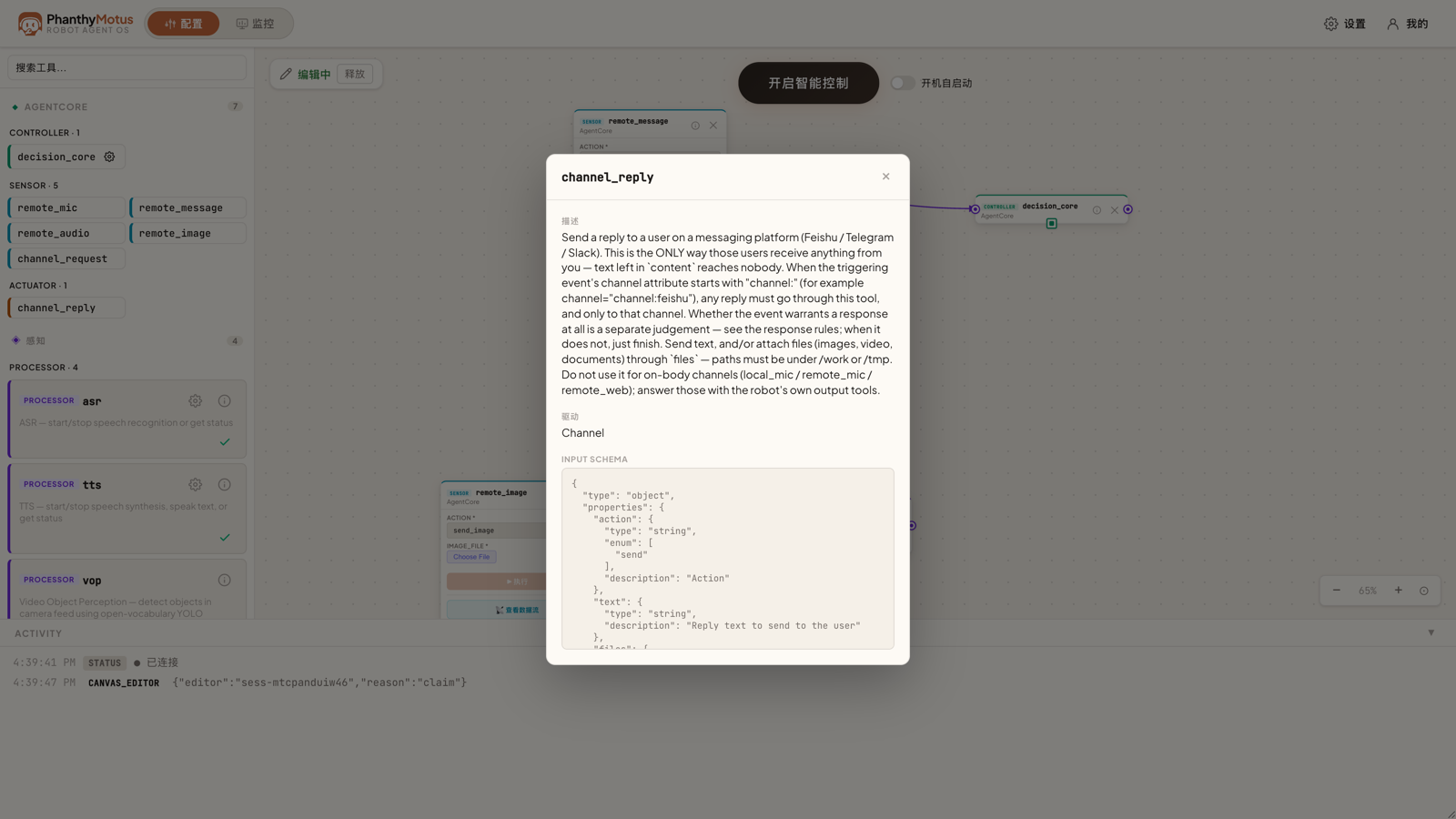
Send photos, videos, and files to your robot in chat
Conversations are no longer text-only. Send a photo of a shelf and ask what's wrong with it, or get the robot to send back what it just saw — images, video, and documents now travel both ways.