What's New
Latest Updates
You can interrupt it while it is talking
High-priority input now wakes the agent out of a wait on an unrelated running action — a "stop talking" said mid-narration used to sit for up to 58 seconds. Narration itself also queues instead of cutting in. Subagent round budgets rise from a hardcoded 10 to a configurable 50, and running out now writes up what it found instead of discarding it.
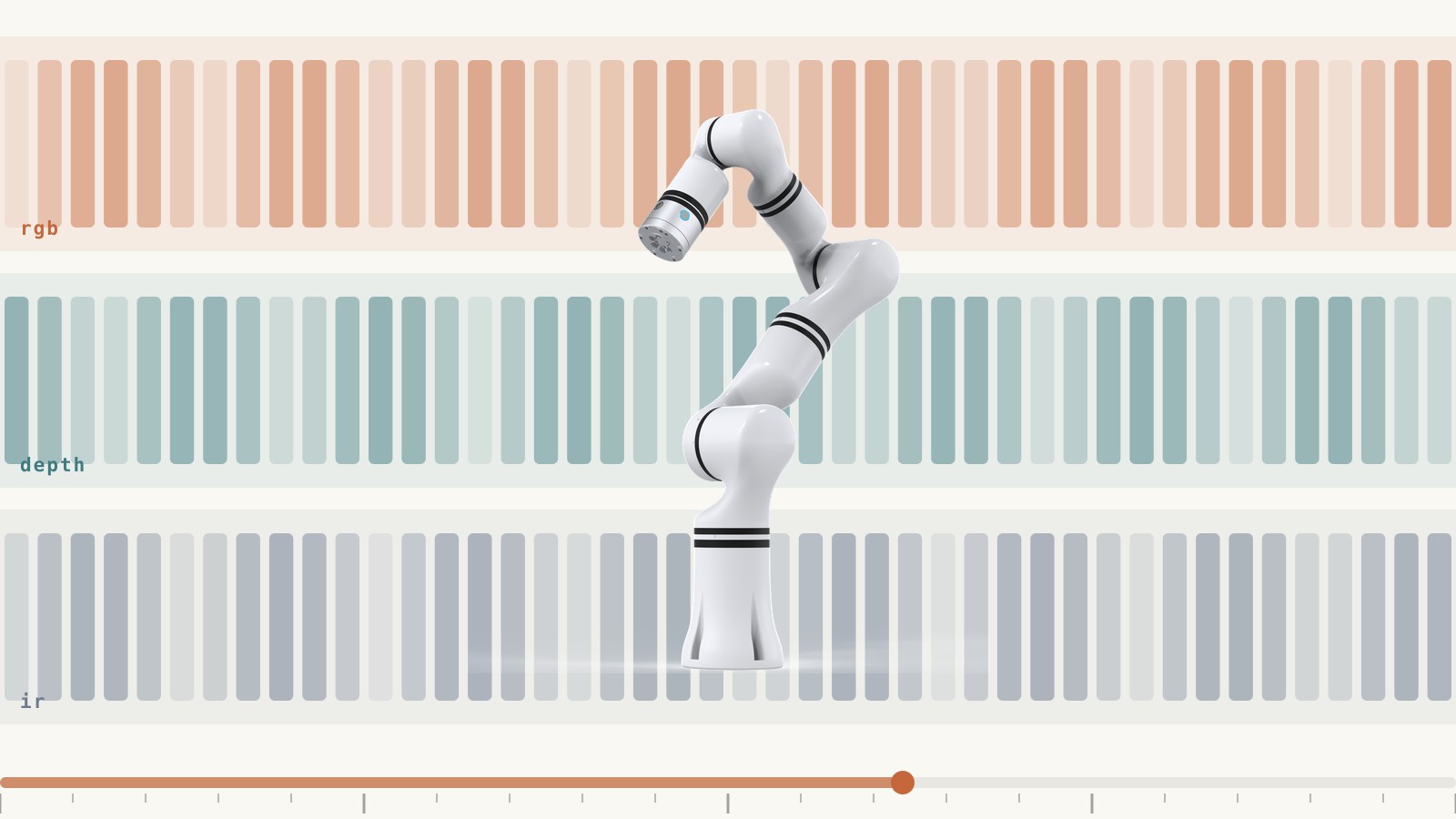
RM75 can see and grip
A RealSense D435 card publishes colour, depth and infrared from one capture pipeline shared across card instances, found by serial number rather than a renumberable device path. A two-finger gripper card takes 0–1000 over the arm’s existing SDK connection and refuses out-of-range values outright.
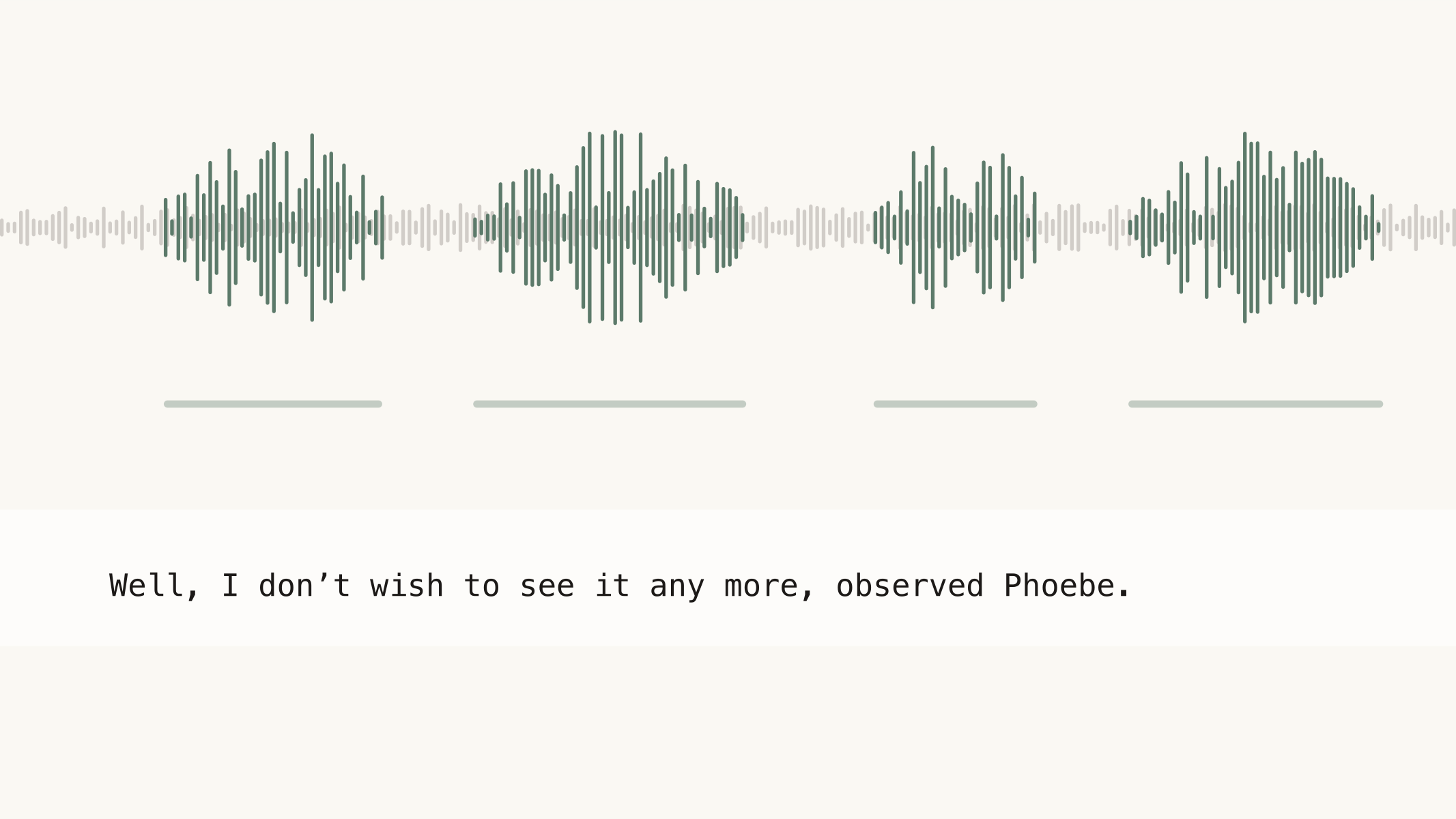
English transcription holds up in noise
A new parakeet-en model trained on ~1.7M hours of diverse audio — deliberately including non-speech material to suppress hallucination — replaces an audiobook-trained option that was a poor match for a robot microphone. Punctuation and casing included, 104 MB, RTF 0.039 on CPU.
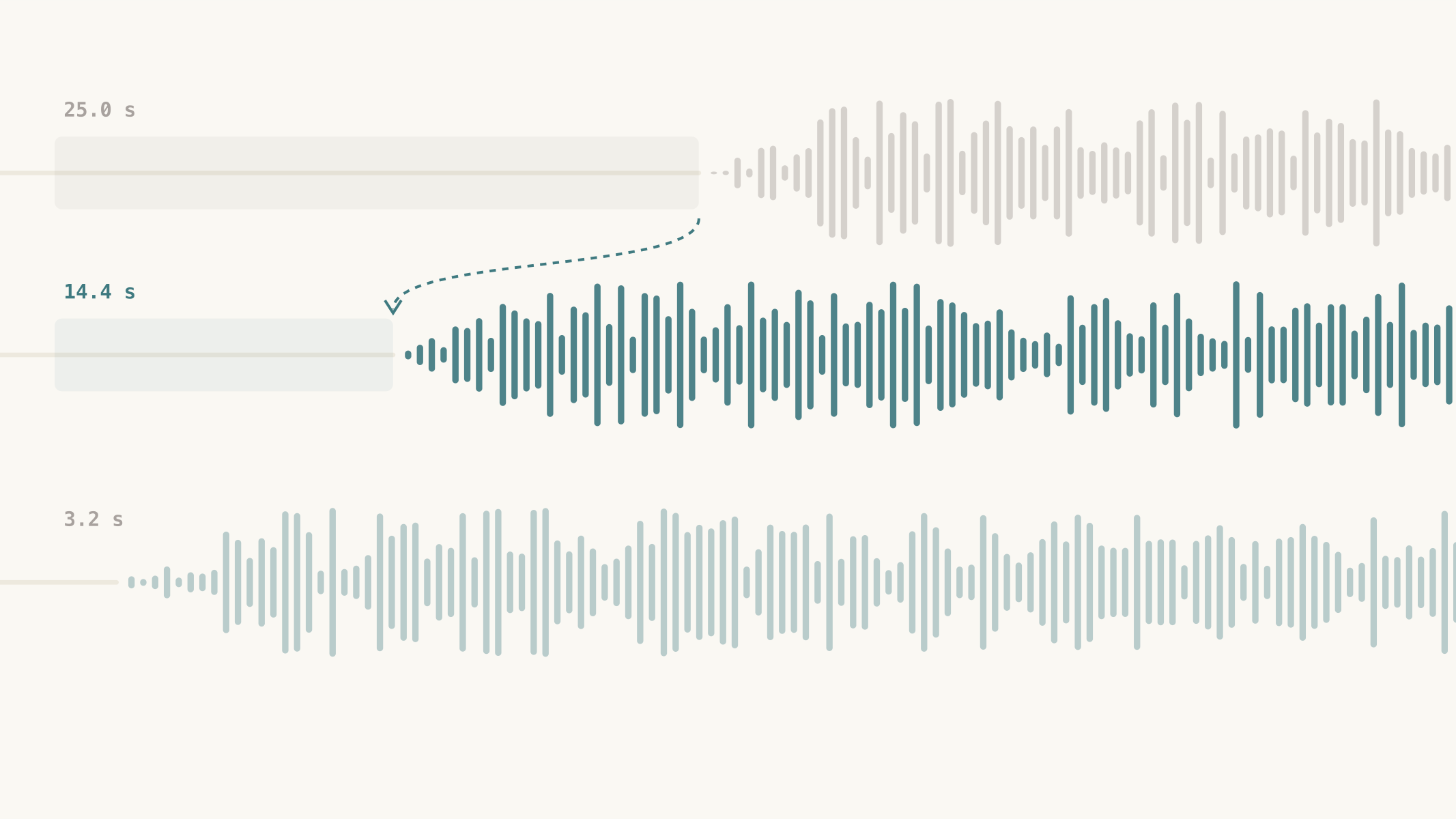
Japanese speech starts talking sooner
Japanese synthesis now streams instead of waiting for the whole utterance. On CPU a 26-second sentence starts after 14.4 seconds instead of 25; on GPU it runs at RTF 0.069. The move also removes a hazard that could kill the entire perception process on JetPack 5.11.
Adam's state is visible, and it can be stopped
The PNDbotics Adam gains three read-only telemetry cards — per-joint motor state, whole-robot state, and 12-channel feedback per hand at 50 Hz — plus an emergency stop. Its communication interface is now configurable for wired sites.
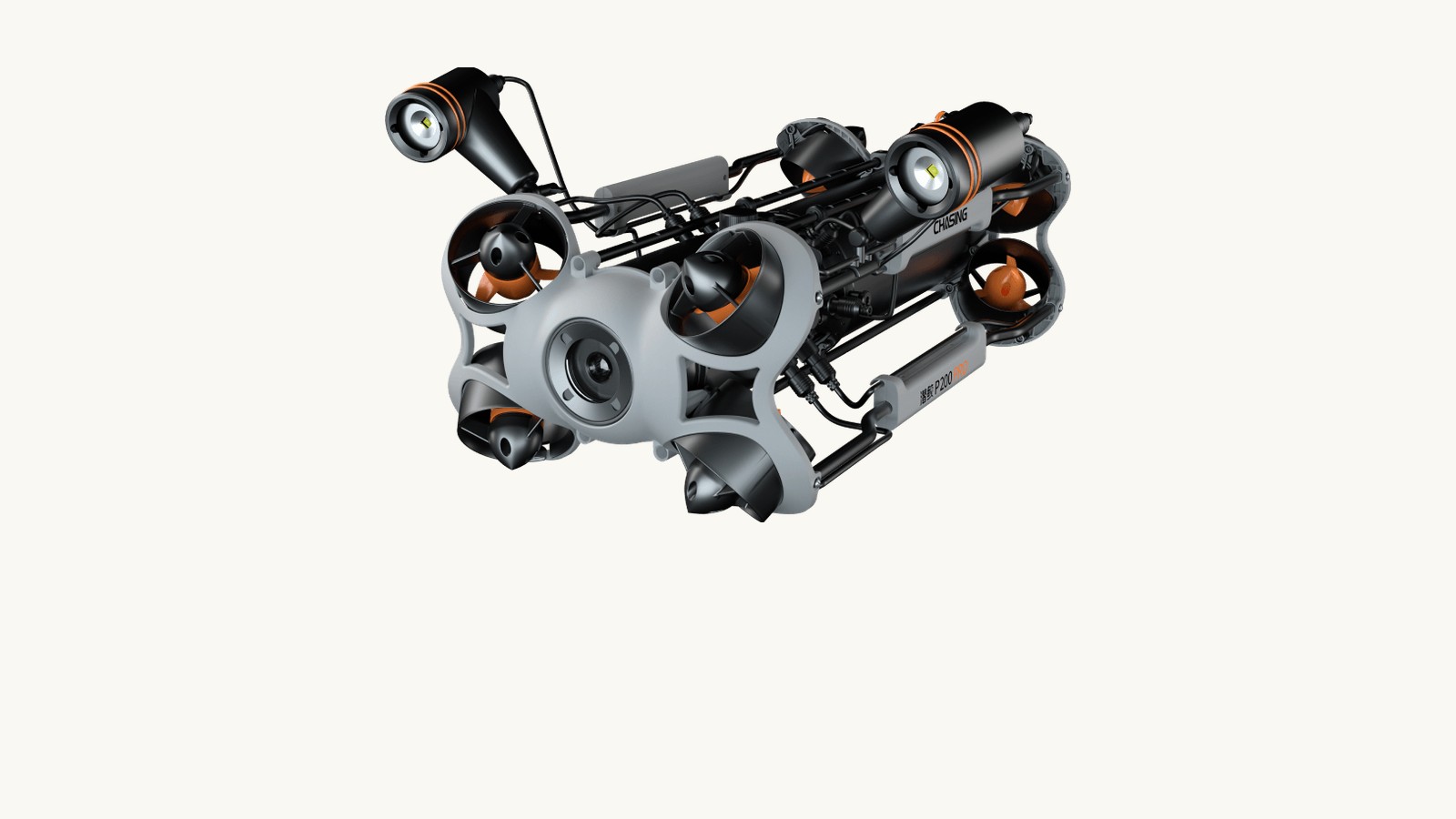
Underwater: the CHASING Qianjiao P200 Pro ROV
The platform's first underwater robot arrives with six cards: attitude/depth/position, status, battery, IMU, a live RTSP camera and six-degree-of-freedom motion control. MAVLink over UDP, with a one-second heartbeat that refuses to move if the link has been quiet for three seconds.
It speaks nine languages now
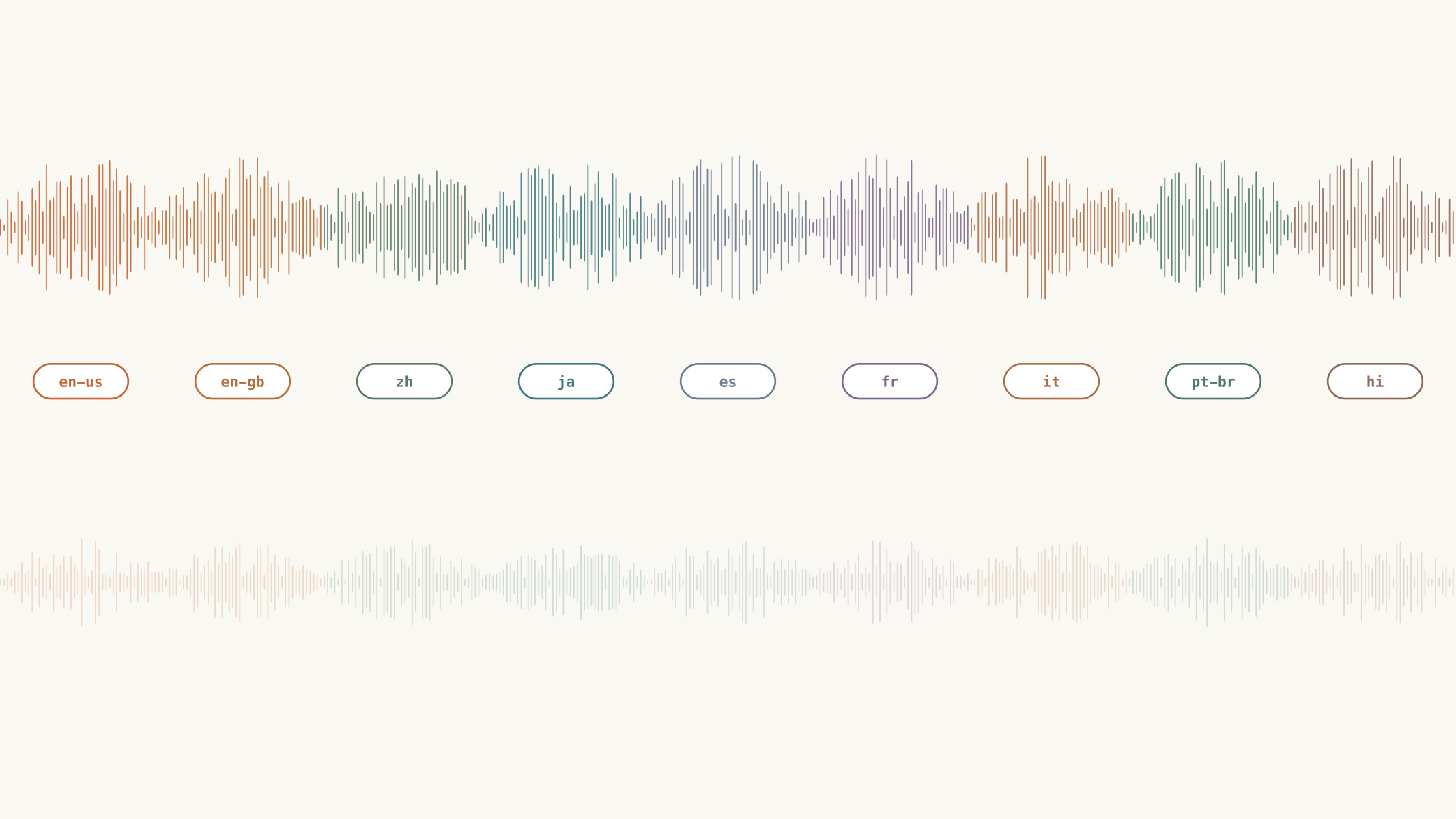
Two new speech engines: kokoro-multi covers nine languages with a runtime dropdown, and mms-th adds Thai. Engines are renamed <model>-<languages>, with the old names still resolving. Numbers in English sentences are no longer read in Chinese, and re-applying a config no longer costs seconds per utterance.
Your robot can tell who you are
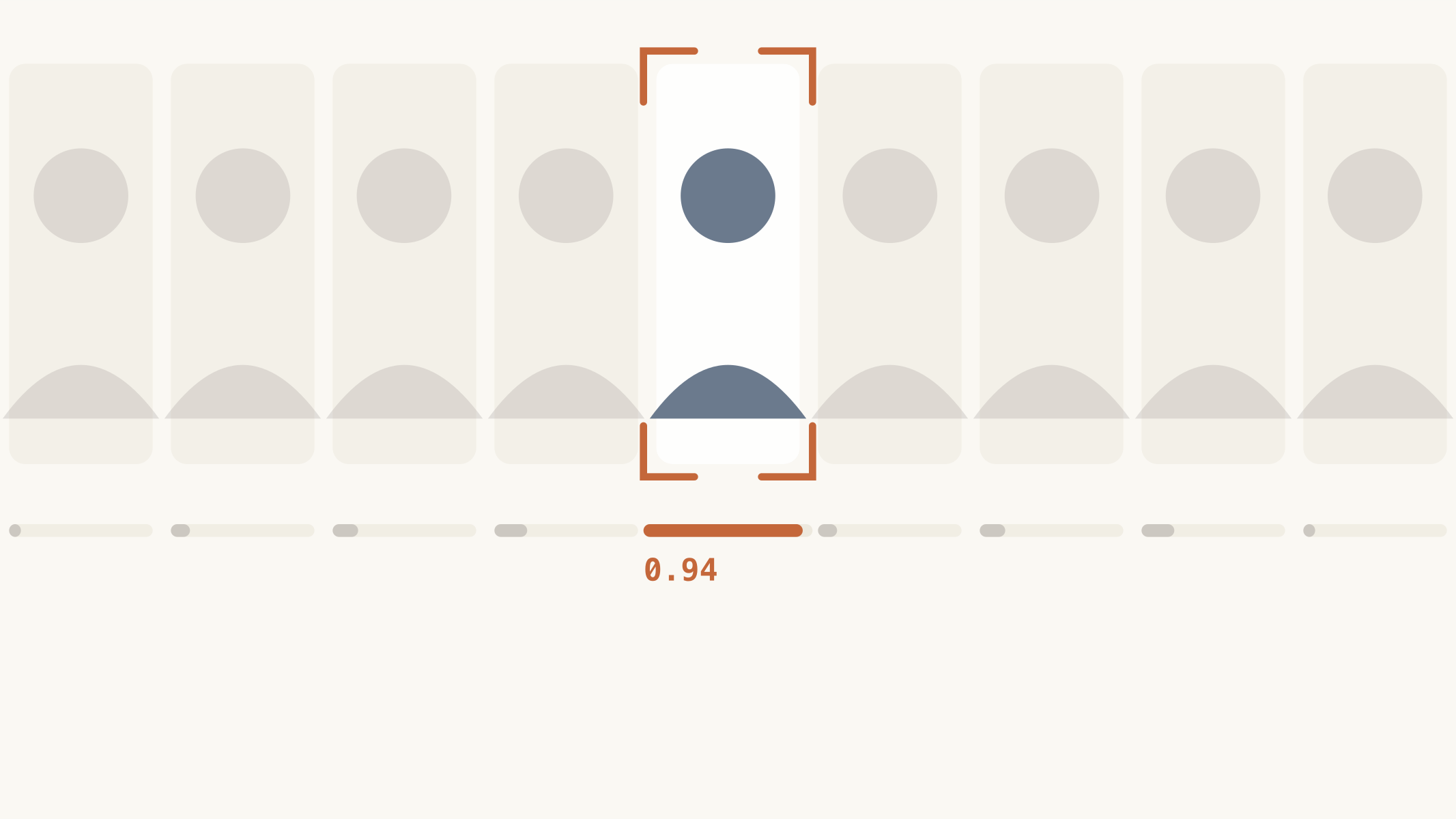
A new face_recognition card enrolls a face from a photo or a link and then says who is in frame, with a confidence figure. Inference and the face database both stay on the robot; JetPack 5.11 machines run it on the GPU.

AgiBot X2 humanoid now supported
The AgiBot X2 joins the platform with 23 MCP cards — locomotion, 26 preset motions, dexterous hands, Linkcraft motion library, RGB-D + lidar + SLAM, TTS, expressions and LED.
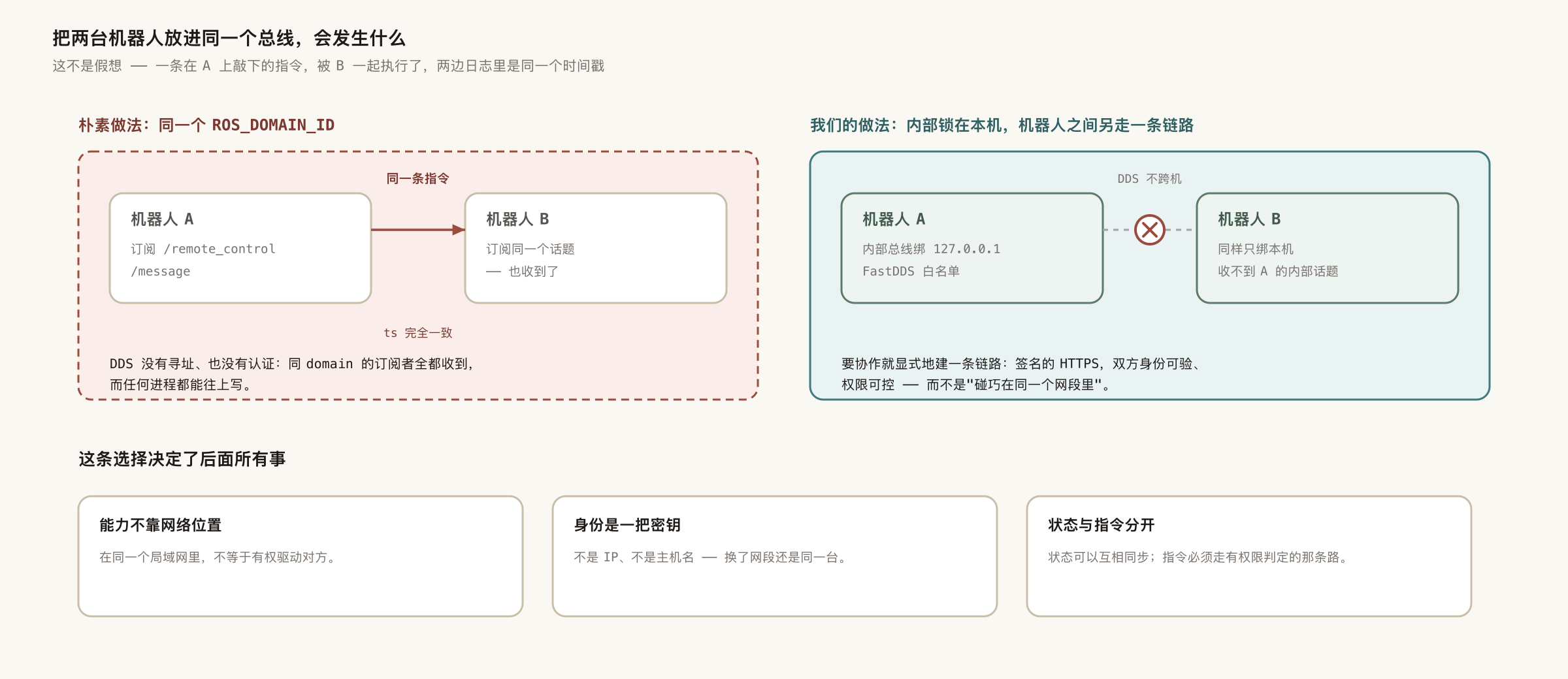
Who is on the other end, why trust it, what may it do — the multi-robot peer mesh
Five robots in one building and none of them knows the others exist. Putting them on one ROS domain is the obvious move and also the dangerous one: a command typed on one robot was executed by a second, same timestamp in both logs. This is the link we built instead — key-based identity, Bluetooth-style six-digit pairing, signed requests against a pinned key, and three gates before a peer can move anything. Including the scars: a keyword-based permission check that let a read-only peer drive locomotion, and a config flag that looks like a safety gate but is read by no code.

MHS and PhanthyMotus: what converges when an agent has to move real hardware
Anthropic opened a research preview of the Model Hardware Standard. Starting from a microscope rig and from a walking humanoid, two teams converged on four judgments and diverged on three constraints. A grounded comparison of the problems, the logic, and what is actually shipping.
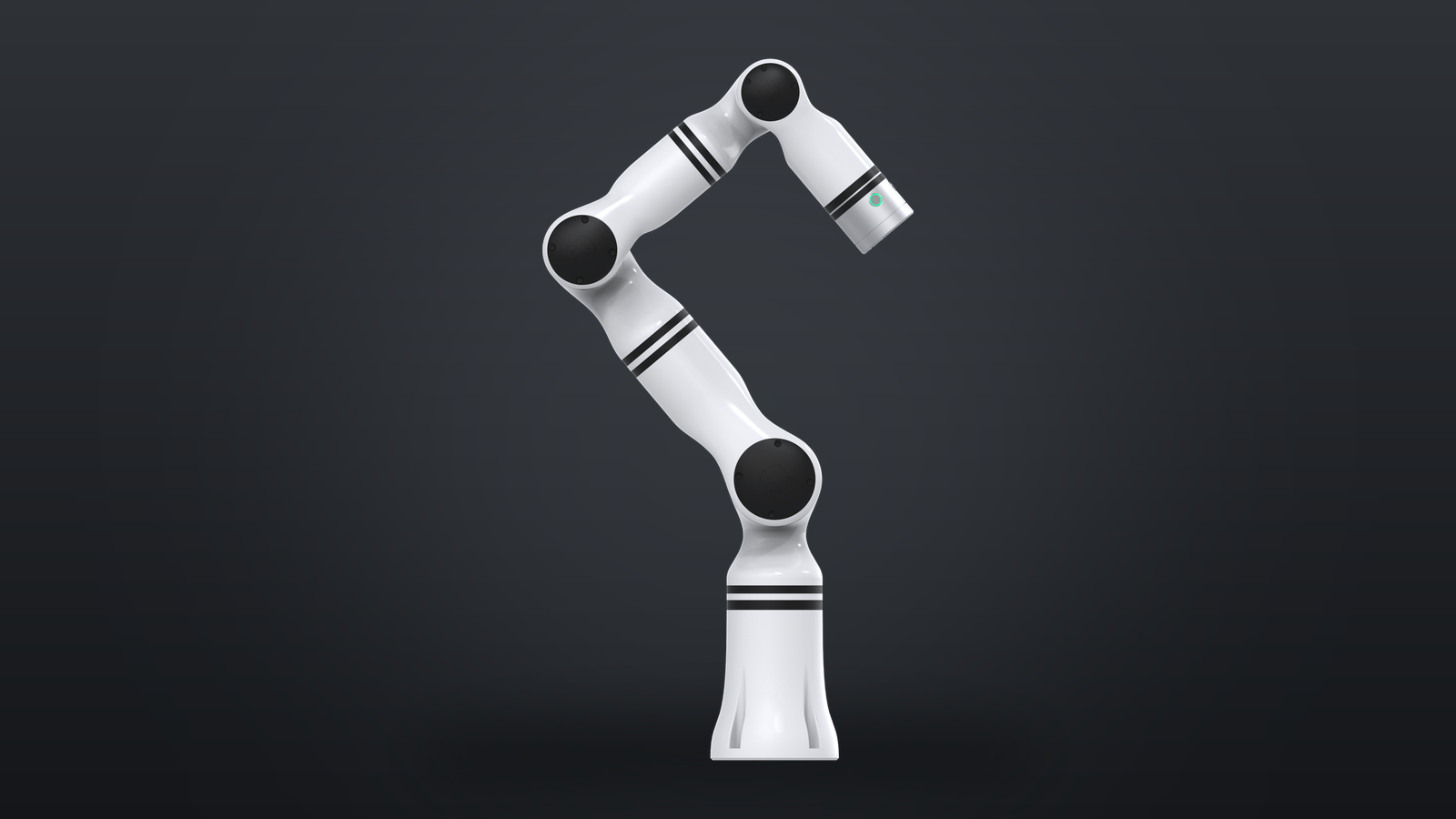
RealMan RM75-6F-V — a 7-axis arm your robot's AI can drive safely
The RealMan RM75-6F-V driver is available. Seven joints in one card, a pre-move self-check that refuses unsafe commands instead of moving first, motion that only reports done when the arm has actually arrived, a full set of live state cards, and a 3D skeleton view.