What's New
Latest Updates
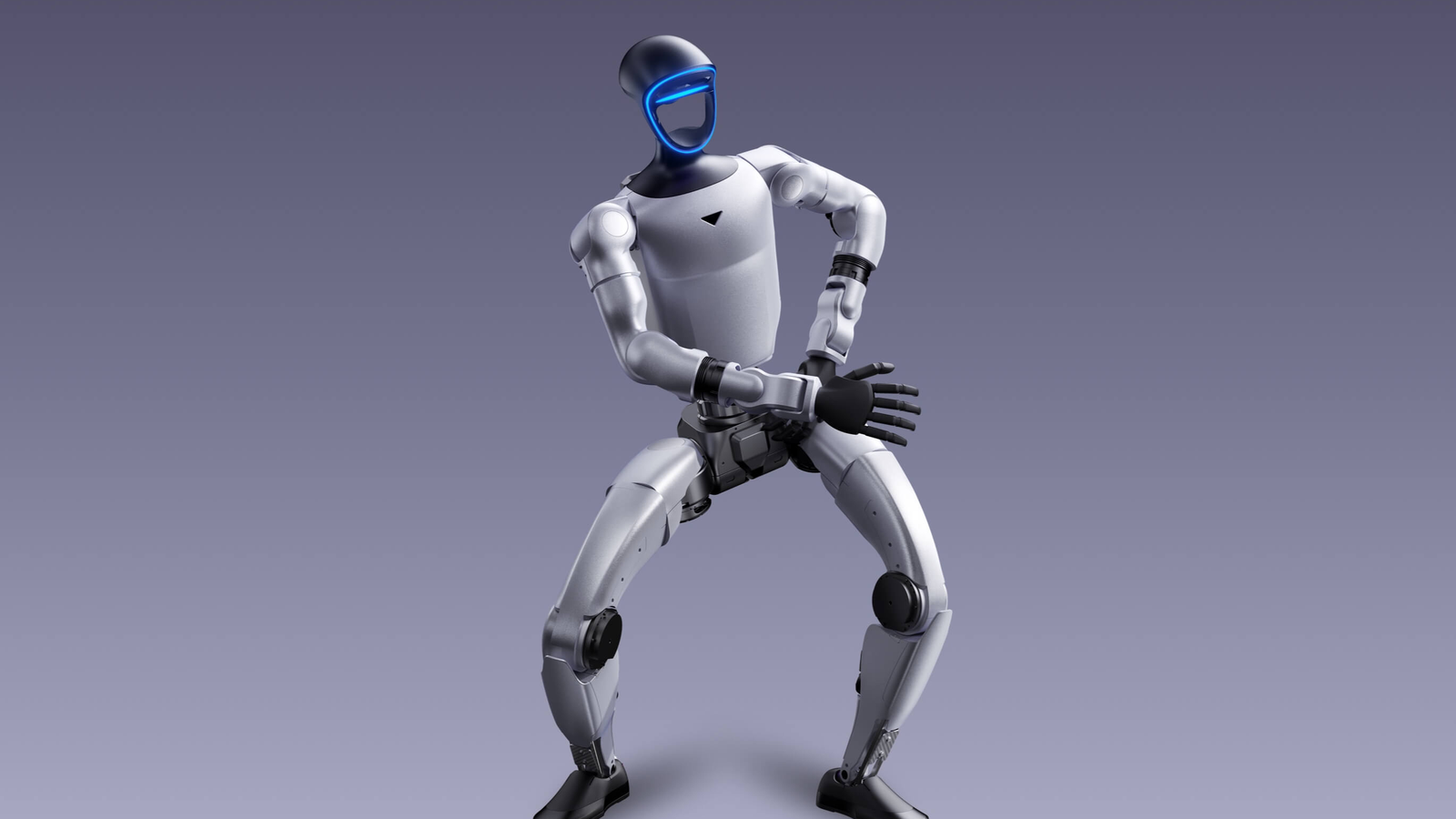
G1 gets up from a squat again — and reports the posture it is really in
A G1 that squatted could not stand back up: the stand-up call reported "robot is on ground" and bounced between states. Fixed on the real robot, along with the deeper confusion between control mode and physical posture.
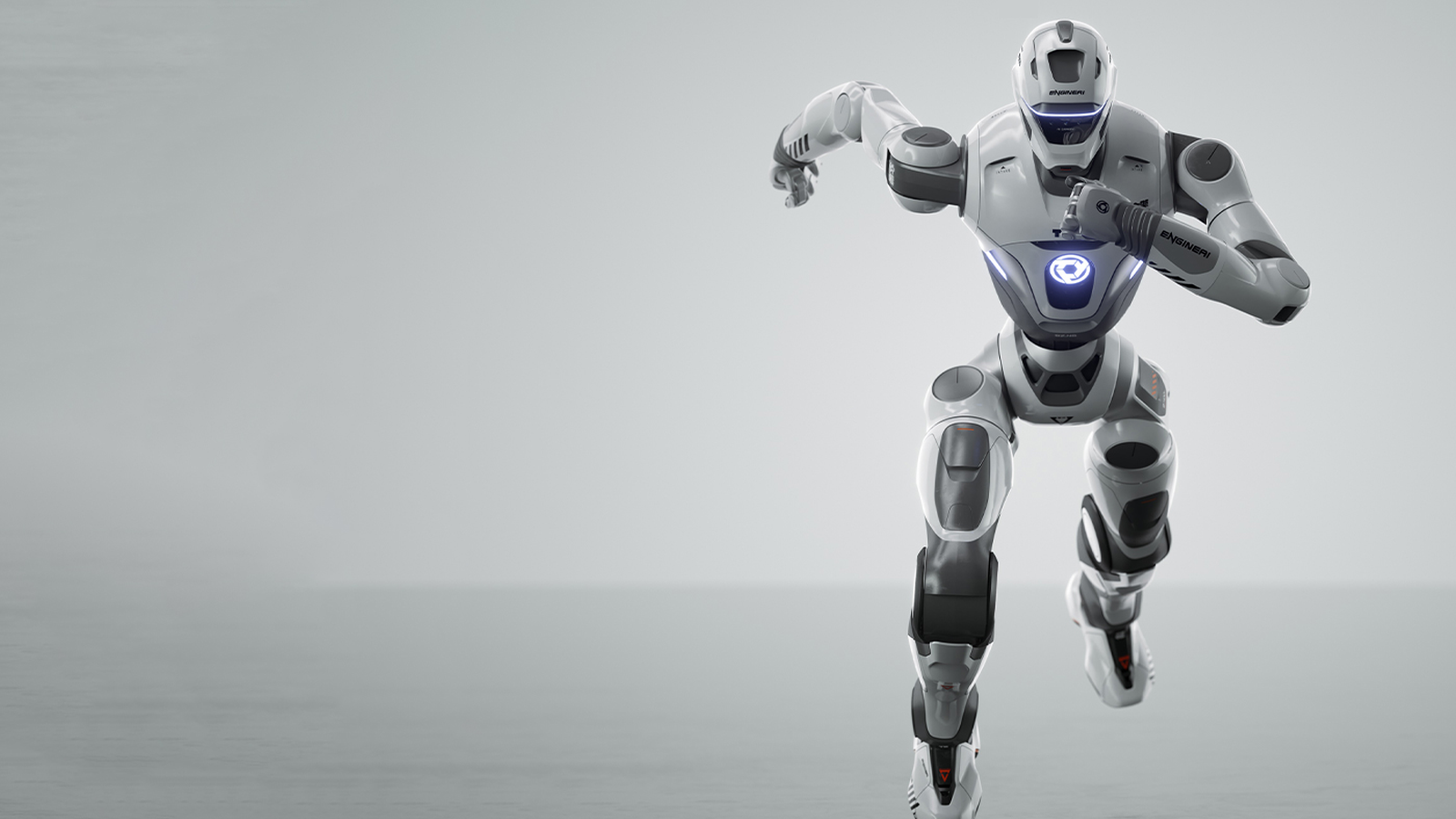
T800 can now walk, speak and remember a motion you taught it
The EngineAI T800 driver grows a speaker, walking with real gaits, a motion recorder, and a posture switch that always routes through standing — plus honest state reporting instead of guesses.
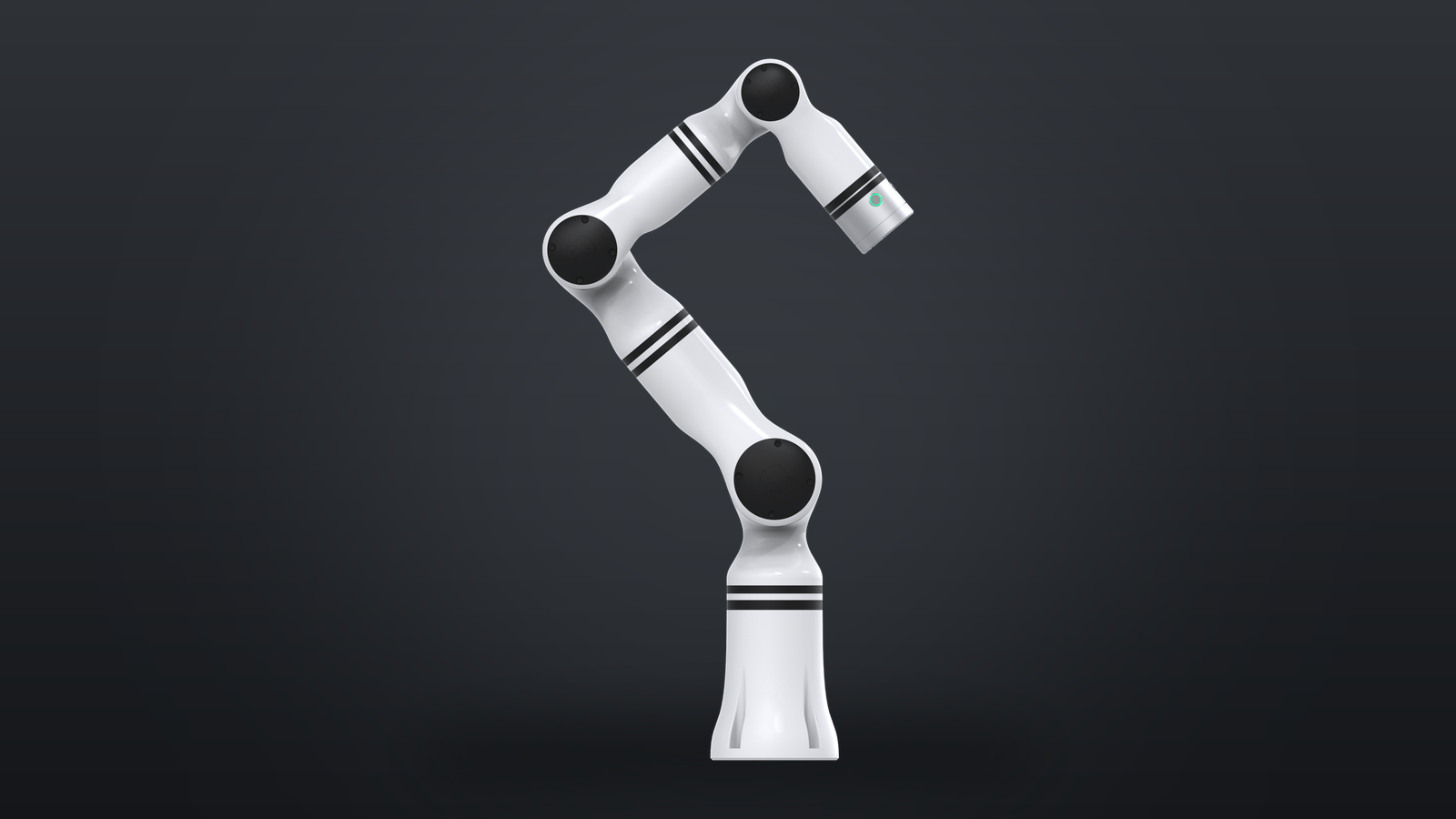
RealMan RM75-6F-V — a 7-axis arm your robot's AI can drive safely
The RealMan RM75-6F-V driver is available. Seven joints in one card, a pre-move self-check that refuses unsafe commands instead of moving first, motion that only reports done when the arm has actually arrived, a full set of live state cards, and a 3D skeleton view.
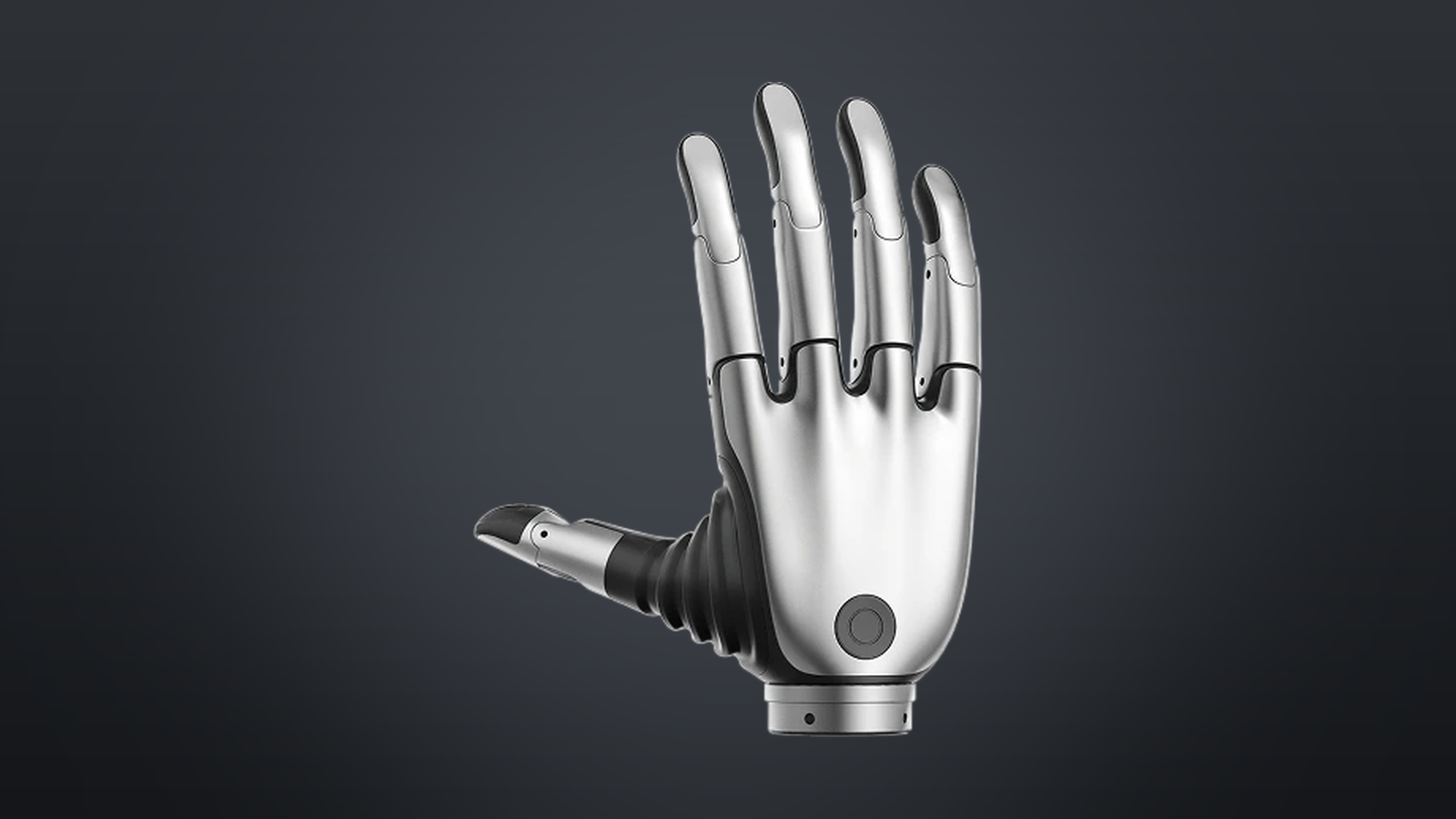
BrainCo Revo 2 — a dexterous hand your agent can actually grasp with
The BrainCo Revo 2 dexterous hand now has a driver: open and close, per-finger positions, preset gestures, live joint telemetry, LED and button events, and fingertip touch on the tactile model — with two hands on one bus.
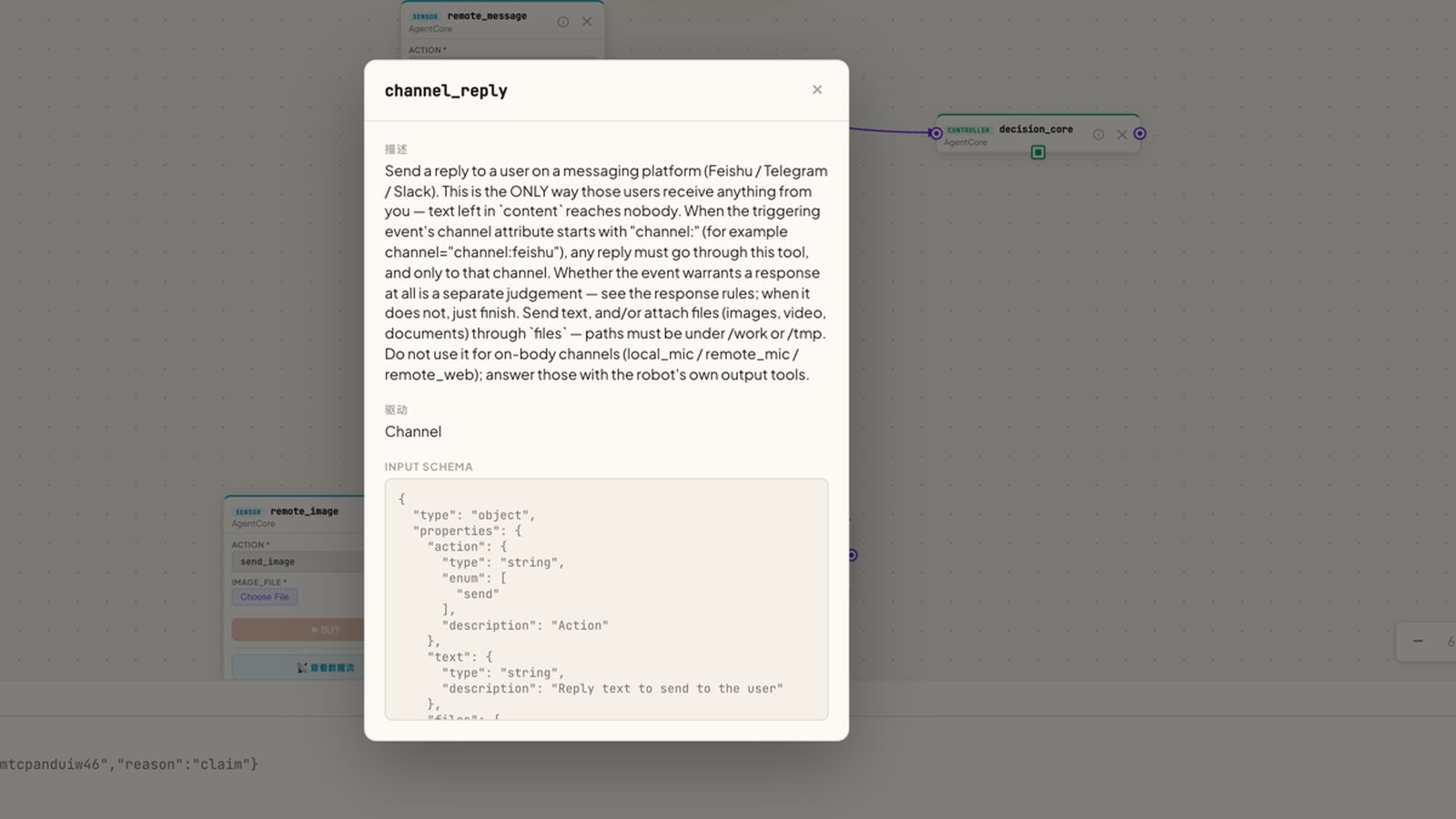
Talk to your robot in a group chat — and decide who is allowed to
Feishu channels now work in group chats as well as direct messages, replies land on the message that triggered them, images and files come through, other bots can be allowed in one at a time, and roles are managed from a panel in the dashboard.
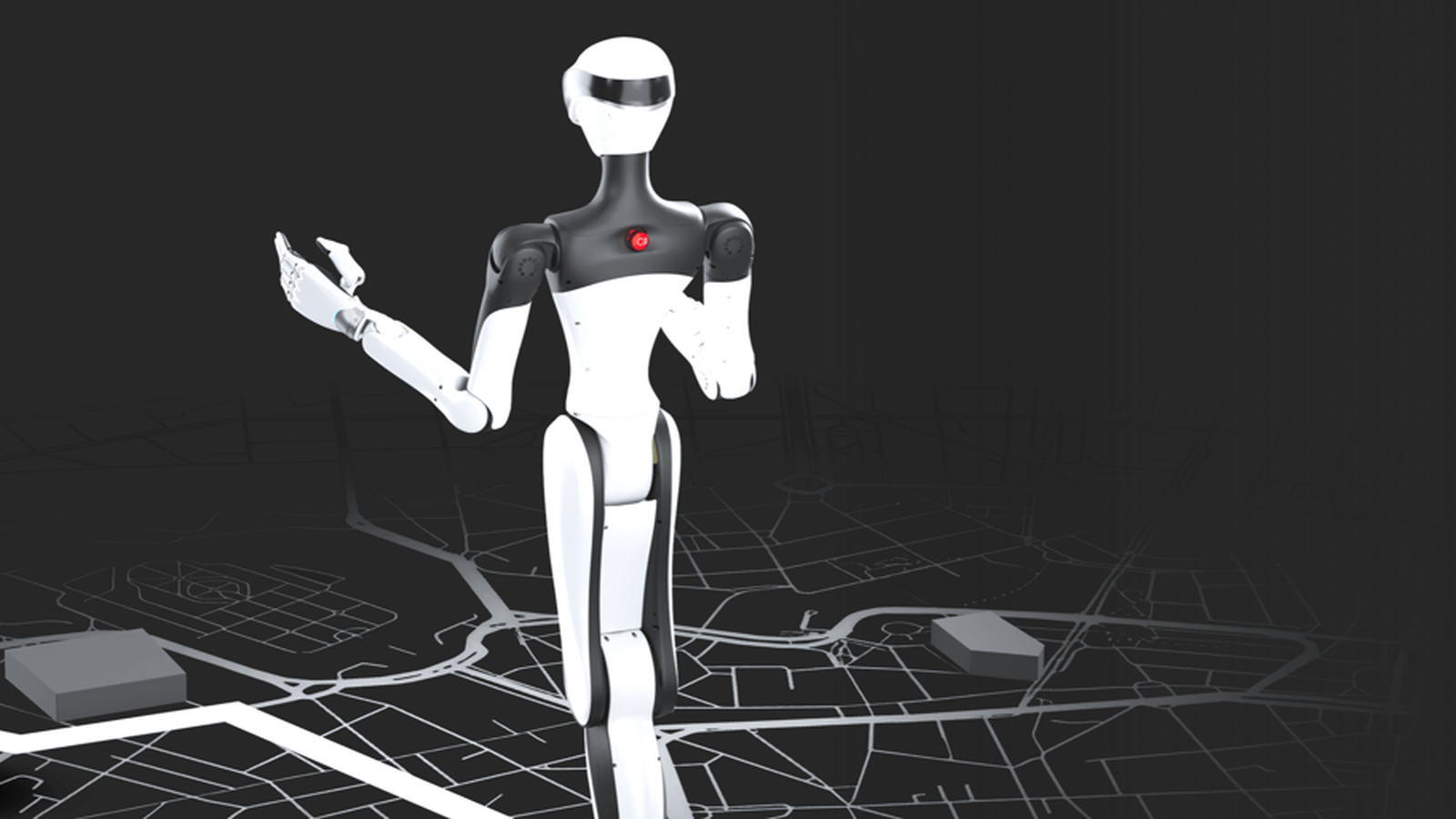
Q5 can turn at the waist, and its gestures stopped stuttering
The RobotEra Q5 driver adds waist rotation as a first-class control, and fixes the arm gestures: no more mirrored high-five, no more jerky motion, and a reset that brings both arms home together.
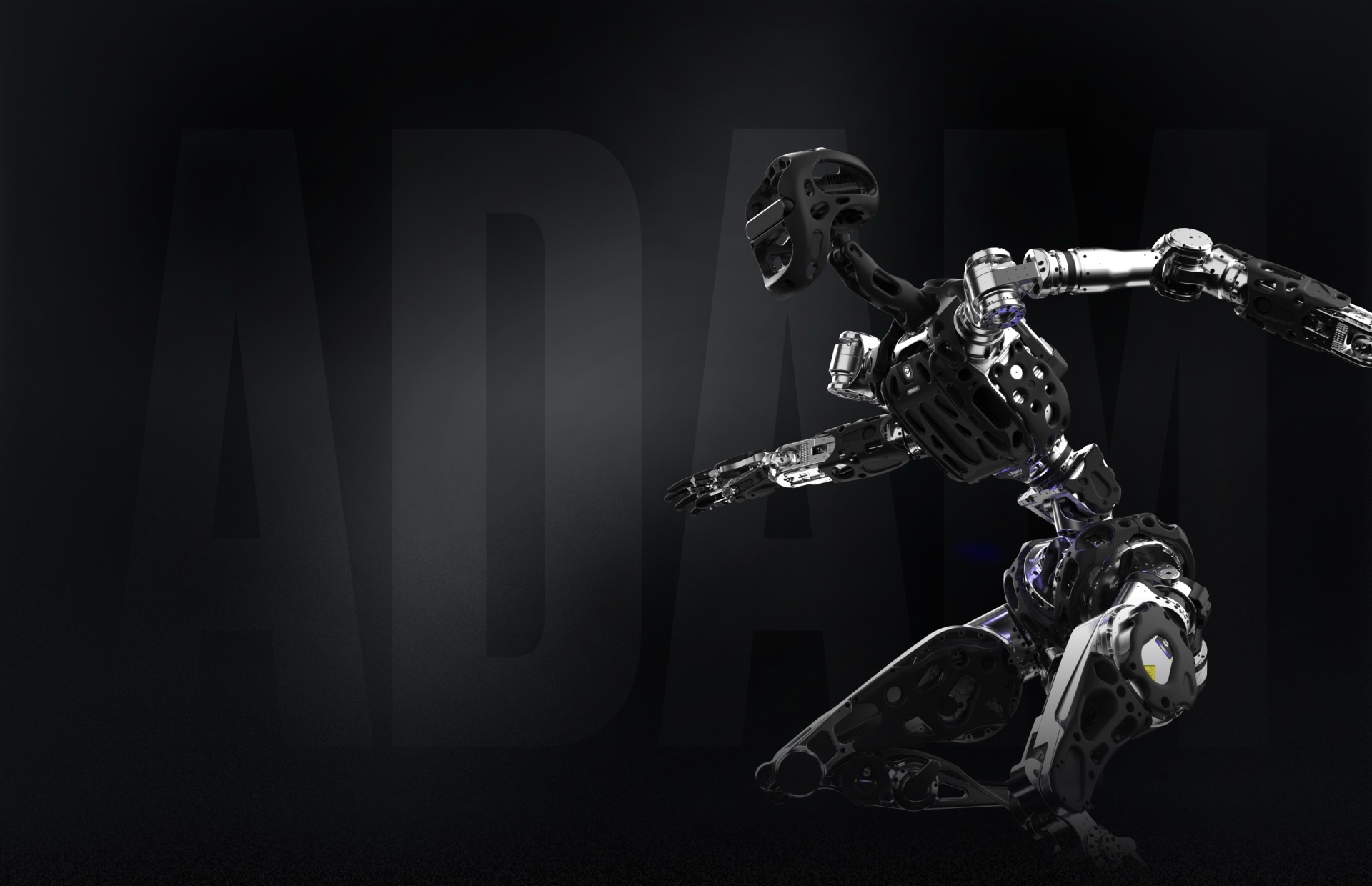
Adam gains stereo vision and finger-level hand control
The PNDbotics Adam humanoid now has a stereo depth camera and per-finger hand control — it can judge how far away something is and shape its hand to pick it up.
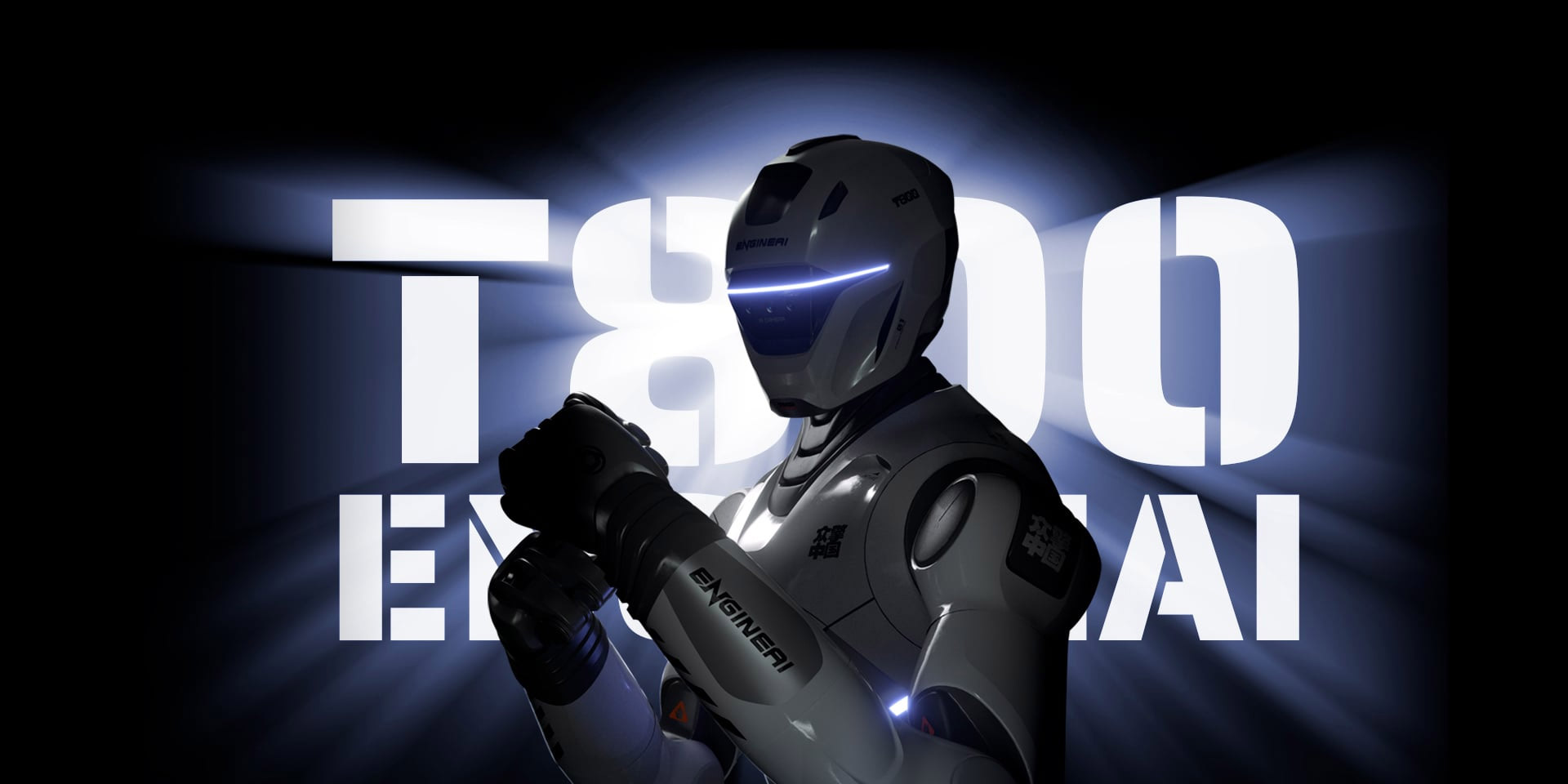
EngineAI T800 learns to turn its head and greet you
The T800 can now turn and tilt its head to face whoever is speaking, and greet people with a wave or a handshake — the small gestures that make an interaction feel human.
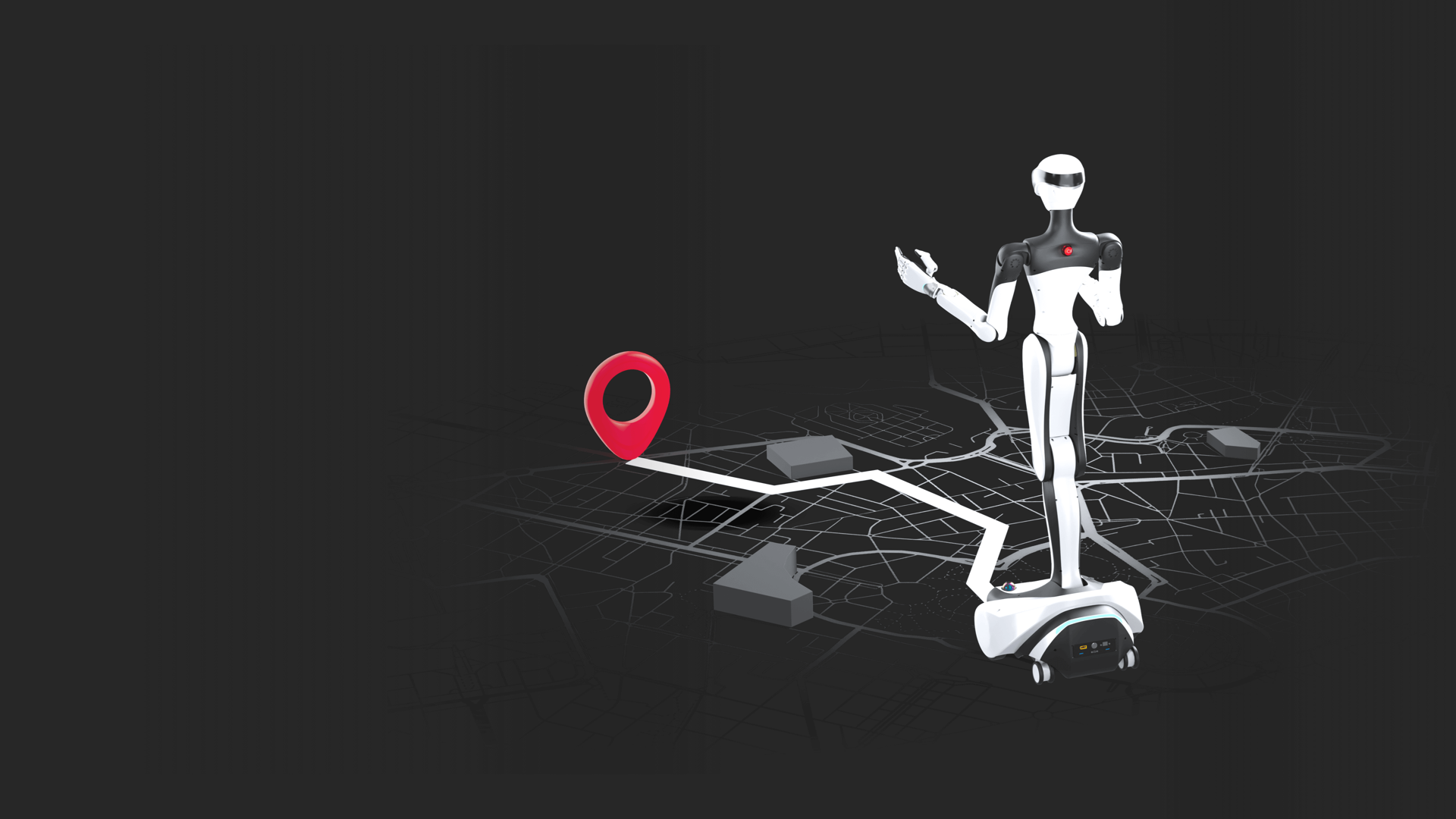
ROBOTERA Q5 wheeled humanoid — 44 DOF, dexterous hands, LiDAR navigation
The ROBOTERA Q5 wheeled humanoid is now supported: dual-arm manipulation with 11-DOF dexterous hands, a liftable torso, and LiDAR-based autonomous navigation.
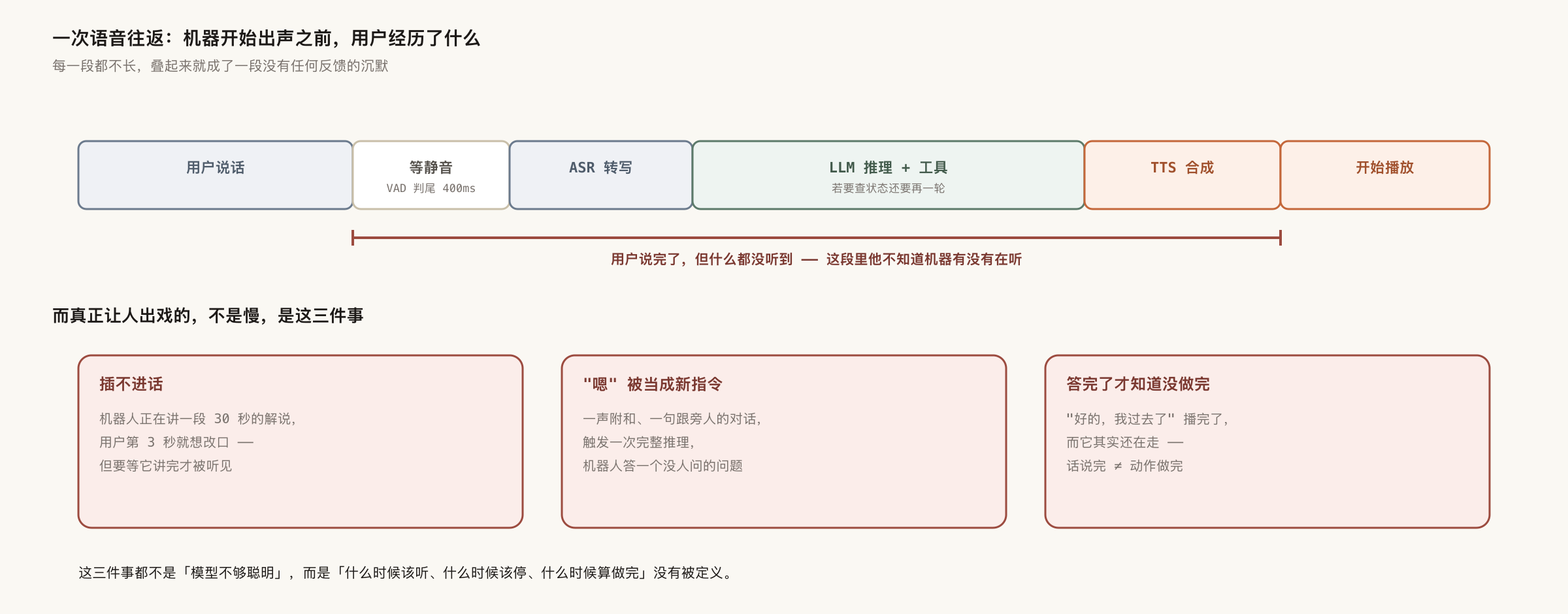
When to listen, when to stop, when it counts as done — the robot dialogue mechanism
Wiring up ASR, an LLM and TTS takes an afternoon. Holding a conversation that gets interrupted is a different problem. Three failures from the field — you cannot get a word in, a grunt becomes a command, the answer finishes before the action does — and the mechanisms each one forced: priority routing, three interrupt modes, and a completion protocol. Including one knob we found is not actually wired up.
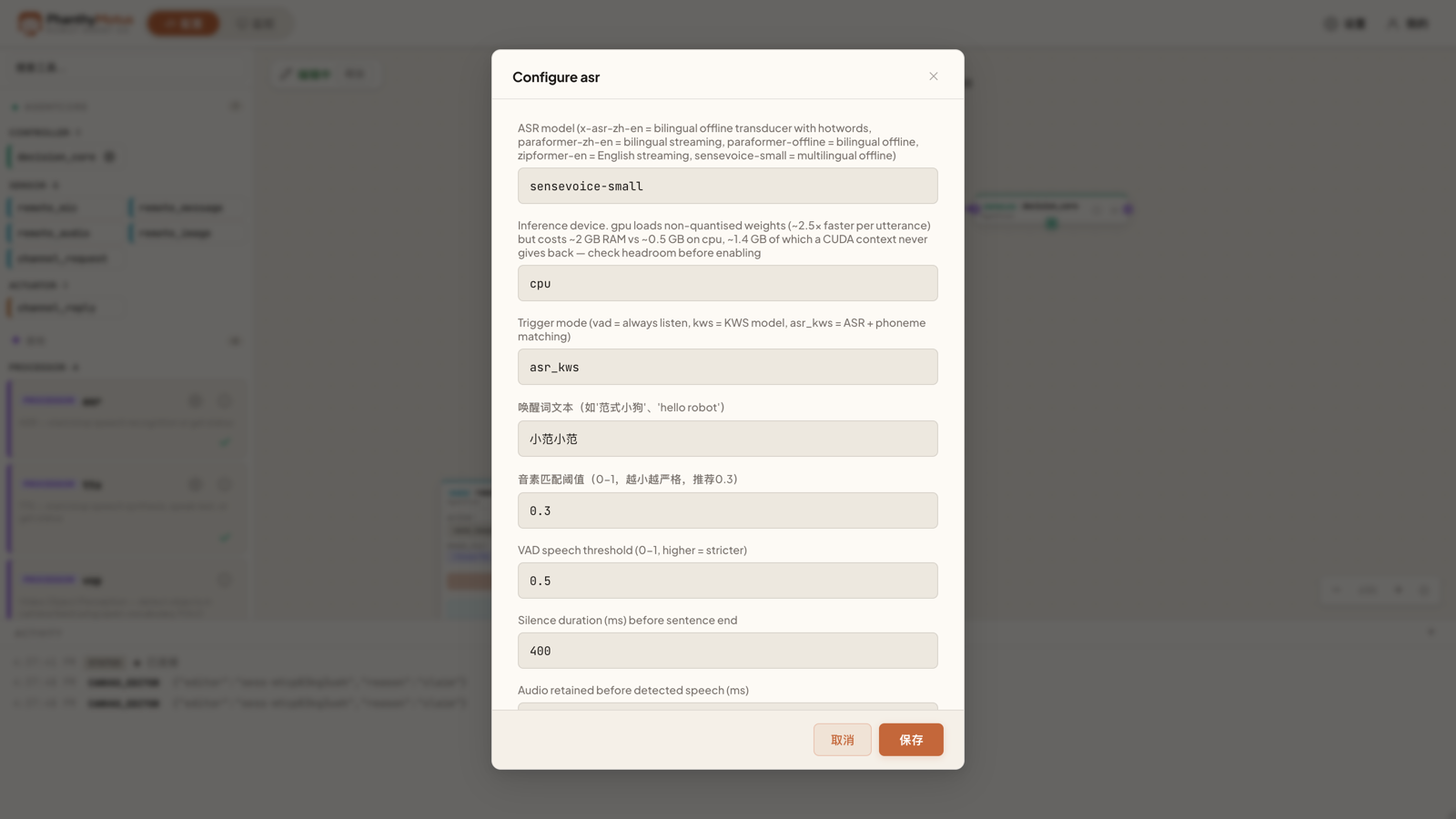
Speech on the GPU — an opt-in speed boost
Speech recognition can now run on the GPU for roughly 2.5× faster turnaround per utterance. It's opt-in, because the speed costs memory — the default stays on CPU.
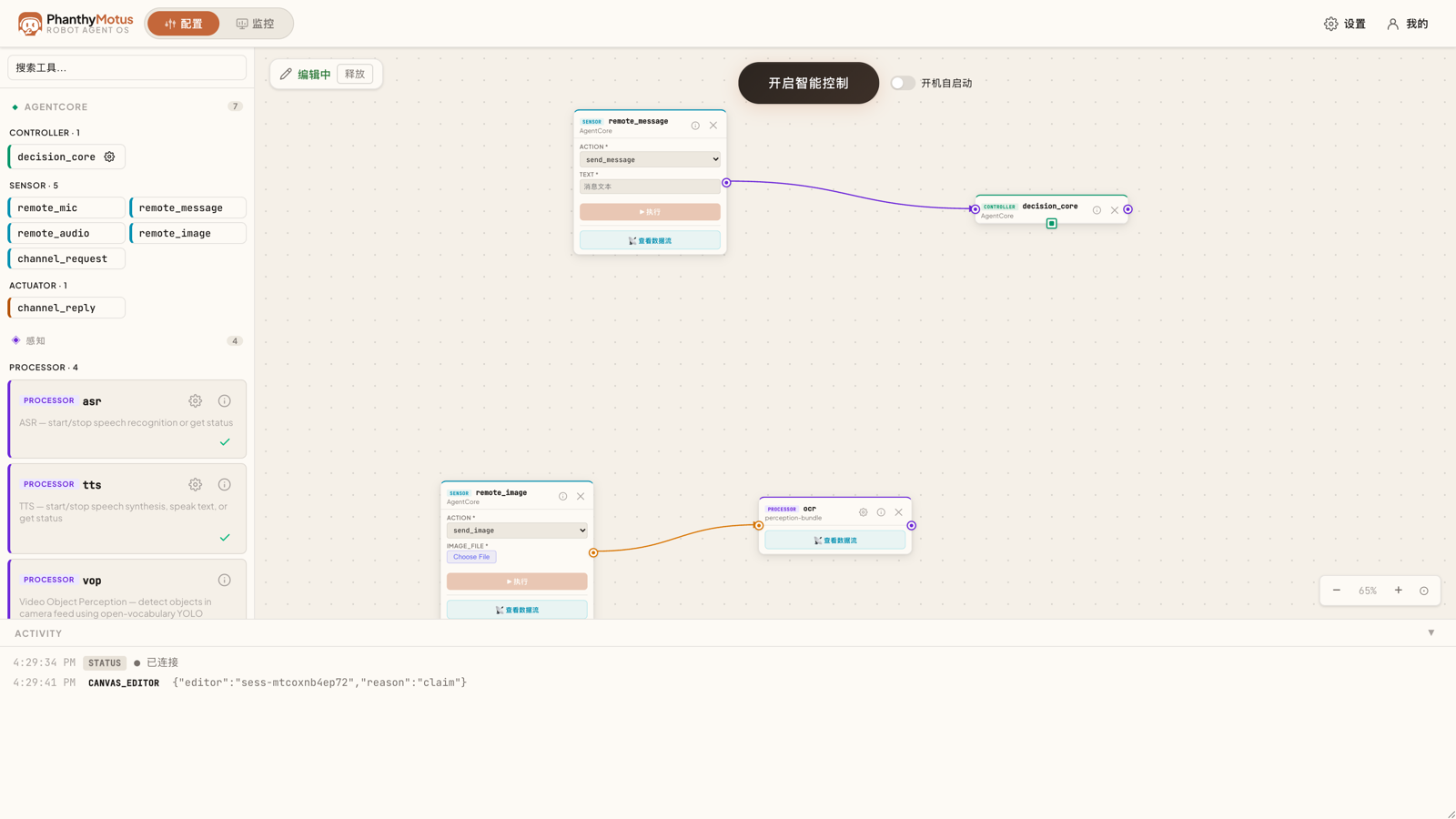
Two people editing the canvas no longer overwrite each other
The canvas now shows when someone else is editing, so two people working on the same robot stop silently undoing each other's changes.